Wellness Wanderlust: Recharging Retreats for Mind and Body
From forest bathing to thermal springs, discover how wellness retreats help you unplug, restore balance, and return home with lasting healthy habits.
Setting Your Intention: Wellness travel begins before you book a flight, with a clear intention for how you want to feel during and after the journey. Ask what your mind and body are truly seeking: deeper rest, focused recovery, creative inspiration, or a gentle reset of your nervous system. That clarity guides every decision—from destination and accommodations to pace and programming—so your itinerary supports rather than drains you. Consider your sensory preferences: do you recharge with the hush of forests or the rhythmic hum of oceans? Choose slow travel where possible, building generous buffers for arrival, adjustment, and reflection. Curate a simple personal ritual—perhaps morning mindfulness, evening journaling, or a salt bath—to anchor the experience. Evaluate offerings by looking for evidence of thoughtful wellness design: unhurried schedules, guided integration, and access to nature. When you travel with self-compassion and purpose, each step becomes part of the retreat, transforming transit into transition and arrival into awakening.
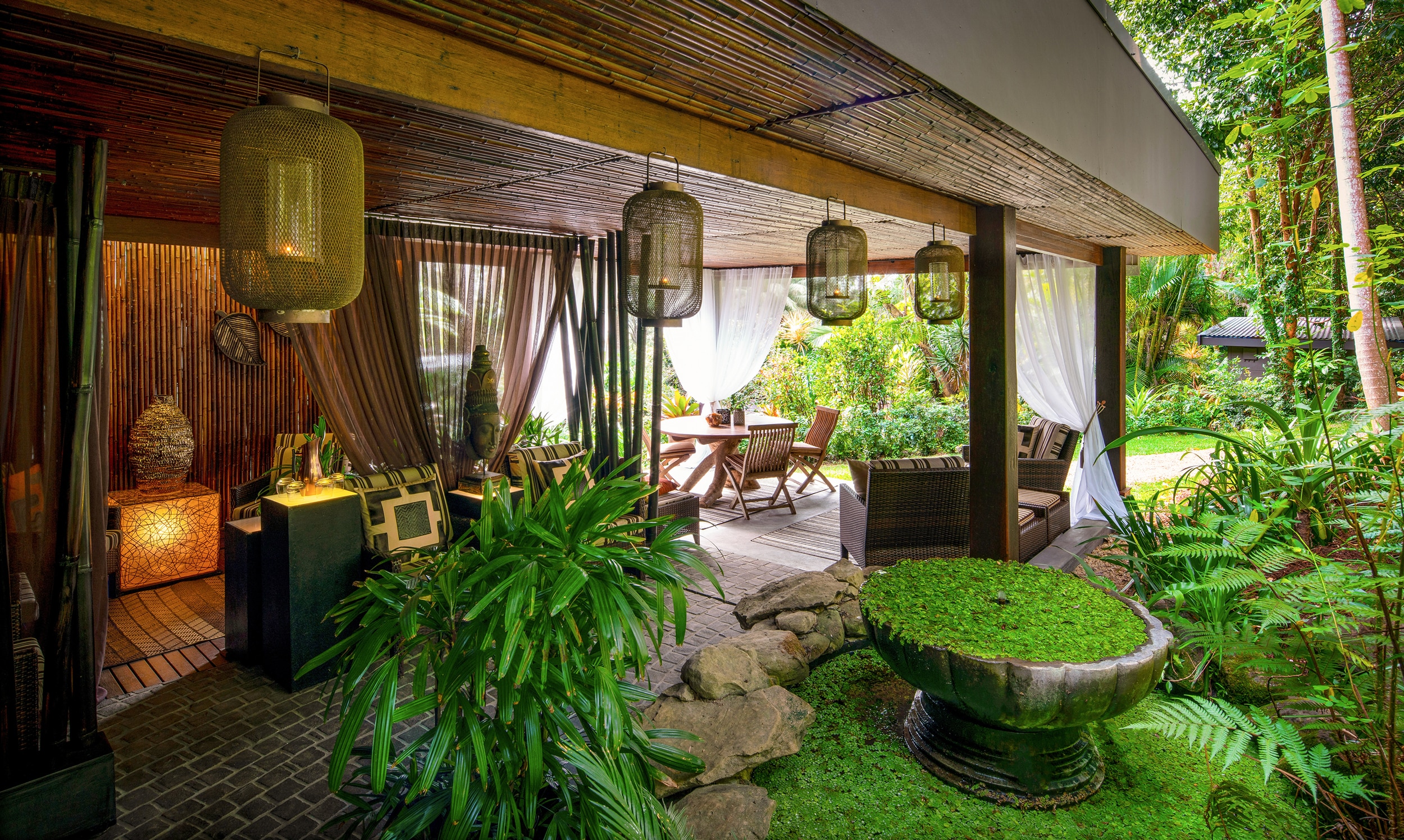
Choosing Restorative Landscapes: The setting shapes your retreat's healing arc, so match the terrain to your intentions. Mountains invite steady grounding and contemplative hikes; coastlines offer the metronome of waves for effortless calming; deserts amplify clarity with vast horizons; forests nurture regulation through quiet forest bathing. Notice practical details: altitude tolerance, humidity, seasonal crowds, and travel time. Seek properties that prioritize biophilic design, natural materials, and abundant daylight to support circadian rhythms. Intimate eco-lodges, thermal spring resorts, and nature sanctuaries can combine comfort with sustainability, reducing sensory overload while maintaining creature comforts. If silence restores you, choose remote locations; if community energizes you, look for places with shared lounges, tea bars, and guided circles. Ask about soundscapes at night, proximity to trails or water, and access to simple staples like filtered water and fresh produce. A retreat setting that feels safe, breathable, and attuned to the land invites your body to exhale and your mind to gently widen.
Designing Daily Rhythms: A nourishing retreat day favors rhythm over rigidity. Begin with gentle breathwork and hydration to reawaken your body, then move into mindful mobility—perhaps yoga, a shoreline walk, or a short trail climb. Let meals be rituals of mindful eating, free from multitasking, so flavors and sensations cue satiety and ease. Anchor afternoons with restorative practices: meditation, forest bathing, a nap, or a quiet swim that releases tension without taxing your system. Reserve a window for curiosity—visiting a local market, learning a craft, or exploring a viewpoint—then return before dusk for a sunset wind-down, such as journaling or a tea ceremony. Protect sleep with calming lighting, cooler room temperatures, and minimal screens to reinforce circadian harmony. Instead of chasing every activity, choose depth over breadth, allowing pauses between experiences so benefits can steep. The goal is not peak performance but regulated presence—a calm, energized baseline that you can bring home.
Nourishment and Therapeutic Rituals: Food and bodywork often define the heartbeat of a retreat, so prioritize nutrient-dense meals and intentional treatments. Favor colorful produce, whole grains, and quality proteins, and approach specialty diets with flexibility to support digestion and mood. Sip mineral-rich water and herbal infusions for steady hydration, especially in sun or altitude. Explore local cuisine as a cultural bridge, practicing gratitude for the hands and habitats that nurtured your plate. When selecting therapies, look for practitioners trained in massage, bodywork, or energy balancing, and consider hydrotherapy—contrast bathing, thermal pools, or steam—to boost circulation and release fatigue. Always communicate preferences and sensitivities; comfort is part of the medicine. Balance tactile treatments with sensory experiences like sound baths or aromatherapy to soften stress loops. Between sessions, rest. Integration is the quiet partner of transformation, and your body often needs stillness to translate care into lasting change.
Digital Detox and Meaningful Connection: Technology can blur the edges of rest, so craft clear digital boundaries. Set expectations with colleagues, use autoresponders, and place devices on airplane mode during key windows to reclaim attention. Replace default scrolling with analog rituals—sketching, reading poetry, or journaling prompts that surface insight. Invite mindfulness into simple acts: savoring tea, watching cloud patterns, feeling your breath as you step onto a trail. Decide whether you want solitude, guided community, or a blend; group circles can offer belonging, while solo time restores inner quiet. Practice consent and comfort with shared activities, honoring your energy with gentle no's when needed. If socializing, choose conversations that uplift, like values, nature, and creativity. As you unplug, notice how your senses sharpen—sounds deepen, colors brighten, and time dilates. Detachment from endless pings is not deprivation; it is a return to presence, the foundation of true renewal.
Sustainable Choices and Lasting Integration: Retreats can regenerate you and the places you visit when built on sustainability. Favor low-impact transportation where practical, stay in operations that minimize waste and support local economies, and follow leave-no-trace principles on trails and beaches. Learn basic cultural etiquette and greet communities with humility, tipping fairly and choosing locally owned guides and markets. Pack light with multi-use layers, a reusable bottle, and compact wellness tools like a travel mat or eye mask. Keep budgeting simple: invest in experiences that amplify rest—quiet rooms, nourishing meals, skilled practitioners—then trim extras that dilute focus. Before departure, design a re-entry plan: a morning ritual you'll keep, a weekly nature date, and one boundary that protects sleep. Integration turns a trip into a lifestyle shift, ensuring your new habits survive busy weeks. When your retreat aligns with the land and your values, its afterglow becomes a compass, guiding future journeys toward balance.