Tuning Fundamentals: Safe Ways to Unlock Engine Performance
Safely unlock engine performance with smart diagnostics, conservative ECU maps, supporting mods, and diligent logging that protects reliability.
Start with a Plan and a Healthy Baseline
Before chasing numbers, build a baseline and a clear plan. Define what you want—quicker response, stronger midrange, or a broader powerband—and set realistic limits for street use. Begin with thorough diagnostics: scan for codes, review fuel trims, verify sensor health, and confirm there are no misfires or vacuum leaks. A compression test or leak-down test helps ensure the engine is mechanically sound. Refresh maintenance items first—plugs, coils, filters, fluids, belts, and cooling components—because any weakness is magnified by added load. Document current performance with repeatable tests so you can measure gains objectively. Mind legal compliance and noise/emissions rules; many smart upgrades remain fully compliant while delivering measurable results. Plan incremental changes with time for testing between each step. This approach keeps reliability high, protects your budget, and builds confidence as you feel how each modification affects drivability, heat, and fuel use. A strong foundation turns tuning from guesswork into controlled improvement.
Smart Calibration: ECU Tuning Without Drama
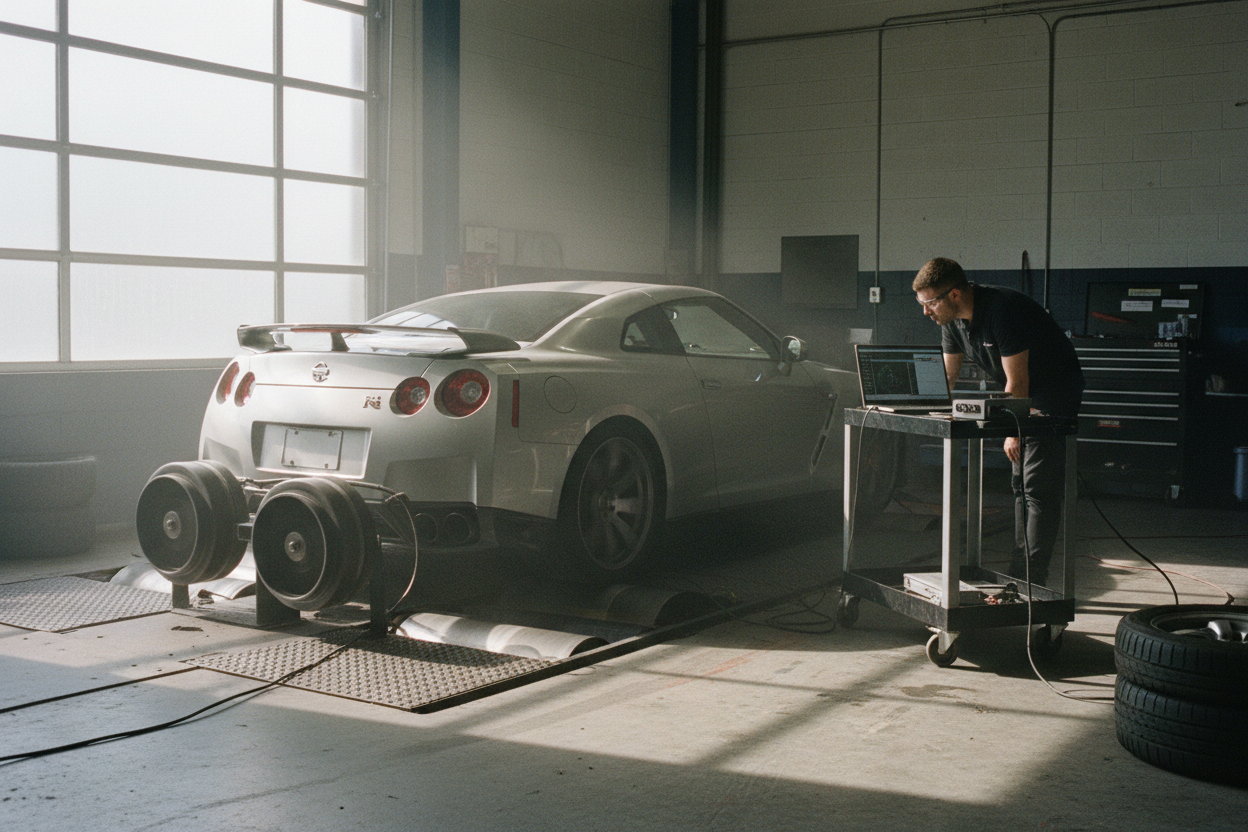
Thoughtful ECU calibration is the safest way to unlock performance. Start with conservative timing and fueling strategies, and confirm engine safety through datalogging. Track AFR/lambda, ignition advance, knock activity, intake air temperature, coolant temperature, and fuel pressure. Use the data to smooth throttle mapping, refine MAF/MAP scaling, and stabilize idle and tip-in behavior for everyday drivability. Establish robust failsafes and soft limits—boost ceilings, temperature thresholds, and knock response—so the calibration protects the engine when conditions vary. Keep rev limits realistic for your valve train and oiling system, and don't overlook traction and torque management to preserve the driveline. A wideband O2 sensor and, when applicable, EGT monitoring add extra insight under sustained load. Save a verified stock file so you can revert if needed, and consider map options for low-octane, valet, or weather-challenged scenarios. Calibrate in small steps, verify, and only then move forward. Control beats aggression every time.
Breathing Better: Intake and Exhaust Done Right
Improving airflow safely hinges on balanced parts and smart heat management. Cold, dense air helps power, but packaging matters. An insulated or well-positioned intake that avoids hot underhood air typically beats an exposed cone near heat sources. Choose quality filters and avoid excess oil that can contaminate MAF sensors. On the exhaust side, aim for reduced restriction without sacrificing compliance or comfort. Correct pipe diameter prevents velocity loss on smaller engines and excessive backpressure on larger setups. For naturally aspirated builds, proper scavenging through thoughtful header design and collector length can enhance midrange torque. Turbo cars gain from smooth, appropriately sized downstream plumbing that manages heat and maintains sensor placement. Use robust gaskets and hardware, align flanges carefully, and add flex sections to protect against movement. Address NVH with resonators that tame drone while preserving flow. The goal is steady, predictable breathing that pairs with your calibration, not a mismatched set of parts chasing peak numbers.
Boost and Fuel: Balanced Power Delivery
When using forced induction, manage boost with precision and leave a margin for weather, altitude, and fuel variability. Verify wastegate integrity, control solenoid function, and monitor boost creep or oscillation under different loads. Pressure-test the system for leaks, and watch intercooler efficiency and pressure drop. Size injectors for adequate headroom, and confirm fuel pump capacity and electrical supply so rail pressure remains stable at high demand. Keep injector duty cycle conservative, and tailor AFR/lambda to the engine's needs without chasing ultra-lean targets that raise temperatures. Match the calibration to the available octane and consider blend changes only with full understanding of cold-start, stoichiometric shifts, and storage considerations. A healthy fuel filter, clean lines, and accurate sensors reduce risk. Build in fuel pressure and knock-based protections that pull timing or reduce boost if limits are crossed. Balanced delivery—air, fuel, and spark working together—produces power that's repeatable, efficient, and kind to components.
Ignition Timing and Thermal Control
Safe power lives at the intersection of ignition timing, mixture quality, and thermal control. Detonation risk rises with heat, load, and insufficient octane, so prioritize consistent intake air temperatures and knock-free timing. Use intake temperature and coolant compensation tables to trim timing when conditions get hot. Monitor oil temperature and pressure; lubrication stability is vital at sustained high load. Upgraded radiators, efficient fans, and properly bled cooling systems prevent hot spots, while a well-sized intercooler keeps charge temps in check without excessive pressure drop. Manage underhood heat with shielding and careful routing of lines and wiring; avoid placing heat-sensitive components near exhaust paths. Spark plugs with the appropriate heat range and tight, verified gaps help control ignition stability, especially under boost. Remember: the best calibration often runs a touch richer and a bit less advanced in harsh conditions, trading a few peak units for durability. Power you can repeat is power you can trust.
Driveline, Chassis, and Validation
Engine gains are only as useful as what the drivetrain and chassis can handle. Evaluate clutch or torque converter capacity, transmission temperatures, and differential health before adding torque. Fresh fluid with the correct specification and, where appropriate, auxiliary cooling keeps parts happy under load. Upgrade brakes with quality pads, fluid, and lines so stopping performance matches acceleration. Choose tires with adequate speed and load ratings, and align the chassis to maintain stability during hard pulls. Validate changes on a load-bearing dyno and in controlled road tests, logging data for repeatability and heat behavior. Listen for new noises or vibrations that signal mounting or driveline stress. Adopt a tighter maintenance cadence—more frequent oil changes, periodic plug checks, and regular inspections of belts, hoses, and filters. Keep detailed notes of conditions and results after each modification. By pairing careful validation with preventive care, you'll enjoy stronger performance without sacrificing comfort, reliability, or safety.