Smartwatch and Fitness Tracker Basics: Features That Count
Learn the core features that matter in smartwatches and fitness trackers—sensors, accuracy, battery life, GPS, apps, and compatibility—before you buy.
Core Sensors and Tracking Accuracy
Smartwatches and fitness trackers revolve around a foundation of sensors. The accelerometer and gyroscope measure movement and orientation, while an optical heart-rate sensor estimates pulse by reading light reflected from capillaries. Add GPS for route mapping and pace, a barometer/altimeter for elevation gain, and optional SpO2 and skin temperature sensors for broader wellness insights. Accuracy depends on hardware quality, software algorithms, and how you wear the device. A snug but comfortable fit improves heart-rate stability; loose bands, tattoos, or intense wrist flexion can introduce noise. GPS precision benefits from open skies and a short warm-up for satellite lock, while dense urban areas may produce drift. Indoors, devices infer distance from cadence; calibrating stride length after a few outdoor runs refines treadmill estimates. Many models fuse metrics to identify sleep stages, VO2 max trends, and training load patterns. For high-intensity intervals, pairing a Bluetooth chest strap can boost precision. Periodic firmware updates often refine algorithms, so keeping software current supports better long-term accuracy.
Display, Controls, and Comfort
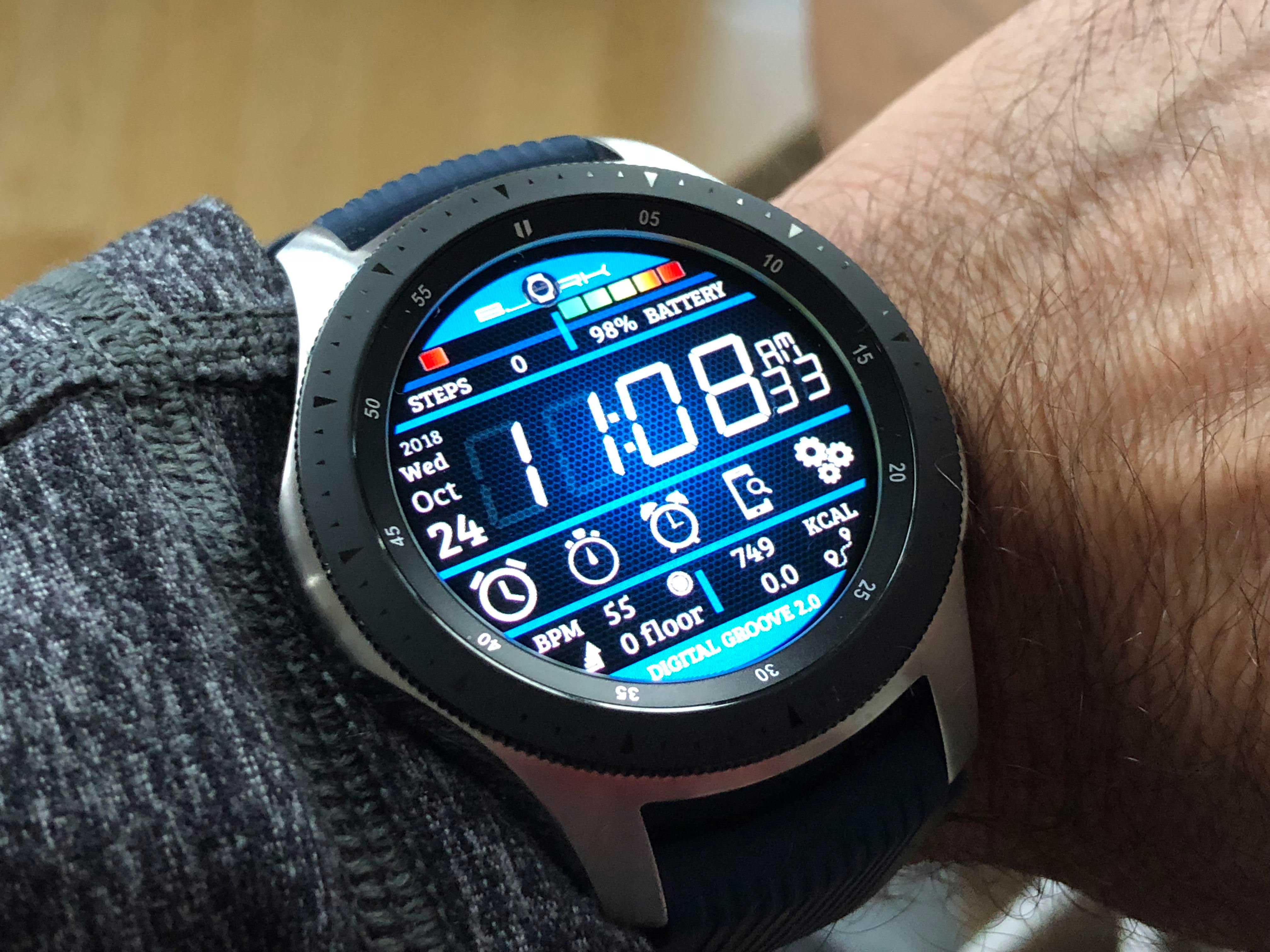
A watch's face is your dashboard, so visibility and comfort matter. OLED/AMOLED panels deliver deep blacks and crisp contrast, while transflective displays prioritize readability in bright sunlight and sip less power. An always-on display offers at-a-glance time and metrics but can reduce battery life; adaptive brightness and tilt-to-wake help balance both. Controls range from full touchscreens to physical buttons and a digital crown, with haptics providing subtle feedback during workouts and alerts. Materials such as aluminum, stainless steel, and reinforced polymer affect durability and weight. The right strap—silicone for workouts, nylon for breathability, or leather for style—improves all-day wear, and quick-release lugs make swaps simple. Consider water resistance for swimming and sweat, along with a comfortable fit that avoids pinching and ensures stable sensor contact. Small wrists may prefer compact cases and curved backs for better skin contact. A balanced combination of display quality, tactile controls, and ergonomic design elevates everyday use.
Battery Life and Charging Essentials
Battery performance hinges on usage. Continuous GPS, music streaming, and an always-on display demand more power than step counting and notifications. Power-saving modes, reduced screen brightness, longer screen timeouts, and selective background sync can extend endurance without sacrificing core features. Disabling all-day SpO2 or trimming frequent heart-rate sampling improves longevity for multi-day trips. Charging methods vary: magnetic pucks, pogo pins, and some forms of wireless charging keep cables simple. Fast charging helps top up during a shower or coffee break, but avoiding extreme heat preserves long-term battery health. If you track sleep, consider brief daytime charges to maintain overnight wear. Stowing a short travel cable in your gym bag prevents midweek surprises. Periodically rebooting the device and closing unused apps reduces background drain. With thoughtful settings and occasional charging habits, you can balance performance, bright visuals, and reliable tracking without constant tethering to a wall outlet.
Health, Fitness, and Safety Features
Modern wearables go beyond steps to support holistic wellness. Training tools include heart-rate zones, cadence, pace, power (on supported activities), and auto workout detection that recognizes runs or walks without manual input. Recovery-focused metrics—such as HRV, resting heart rate, and sleep tracking—help you gauge readiness and adjust intensity. Some devices offer stress scores, breathing exercises, and mindfulness prompts to encourage balance. Wellness features like SpO2, skin temperature trends, and optional ECG checks provide additional context, though they are not a substitute for professional medical advice. Safety functions such as fall detection, incident alerts, and SOS can notify contacts if you need help, while hydration and move reminders support healthier daily habits. Clear dashboards and post-workout summaries make progress tangible. The best experiences blend accurate sensors with meaningful insights, turning raw data into understandable guidance that motivates sustainable improvements rather than short-term bursts.
Connectivity, Apps, and Data Privacy
Connectivity unlocks convenience. Bluetooth syncs notifications, Wi‑Fi speeds app and music downloads, and optional LTE supports calls and texts when you leave your phone behind. Productivity features—contactless payments via NFC, calendar alerts, voice replies, and music control—streamline busy days. An active app ecosystem adds specialized workouts, watch faces, and widgets, while regular firmware updates deliver new features and security improvements. With great connectivity comes responsibility: review permissions, limit unnecessary location access, and use encryption and two-factor authentication where available. Choose minimal, high-value notifications to reduce distraction and save battery. Check privacy settings for data sharing, cloud backups, and account deletion options, and export activity data when you want portability. If you value focus, airplane mode during workouts eliminates interruptions. Thoughtful setup ensures your smartwatch or fitness tracker enhances life with timely information, robust tools, and respectful handling of your personal data.