Small Habits That Transform Your Health
Discover small, science-backed habits—like better sleep, smarter snacking, and daily movement—that steadily improve energy, mood, and long-term health.
Micro Moves, Macro Results
Tiny, repeatable actions compound into meaningful change, especially when you choose micro-commitments that are easy to start and hard to skip. Rather than chasing perfection, focus on consistency. Try the two-minute rule: begin with the smallest version of a habit, like a brief stretch, a glass of water, or a short walk. Use habit stacking by attaching a new behavior to an existing cue, such as doing ten slow breaths after you lock the door or practicing posture resets when you sit down. Reduce friction by preparing your environment: lay out shoes, pre-fill a water bottle, or keep cut-up fruit visible. Track with a simple checkmark to reinforce progress, and celebrate small wins to build identity-based habits. When setbacks occur, recover quickly with a one-time reset rather than an all-or-nothing spiral. Over time, these small investments create momentum, clarity, and confidence, transforming health through the gentle power of repetition and thoughtful environment design.
Hydration As a Daily Anchor
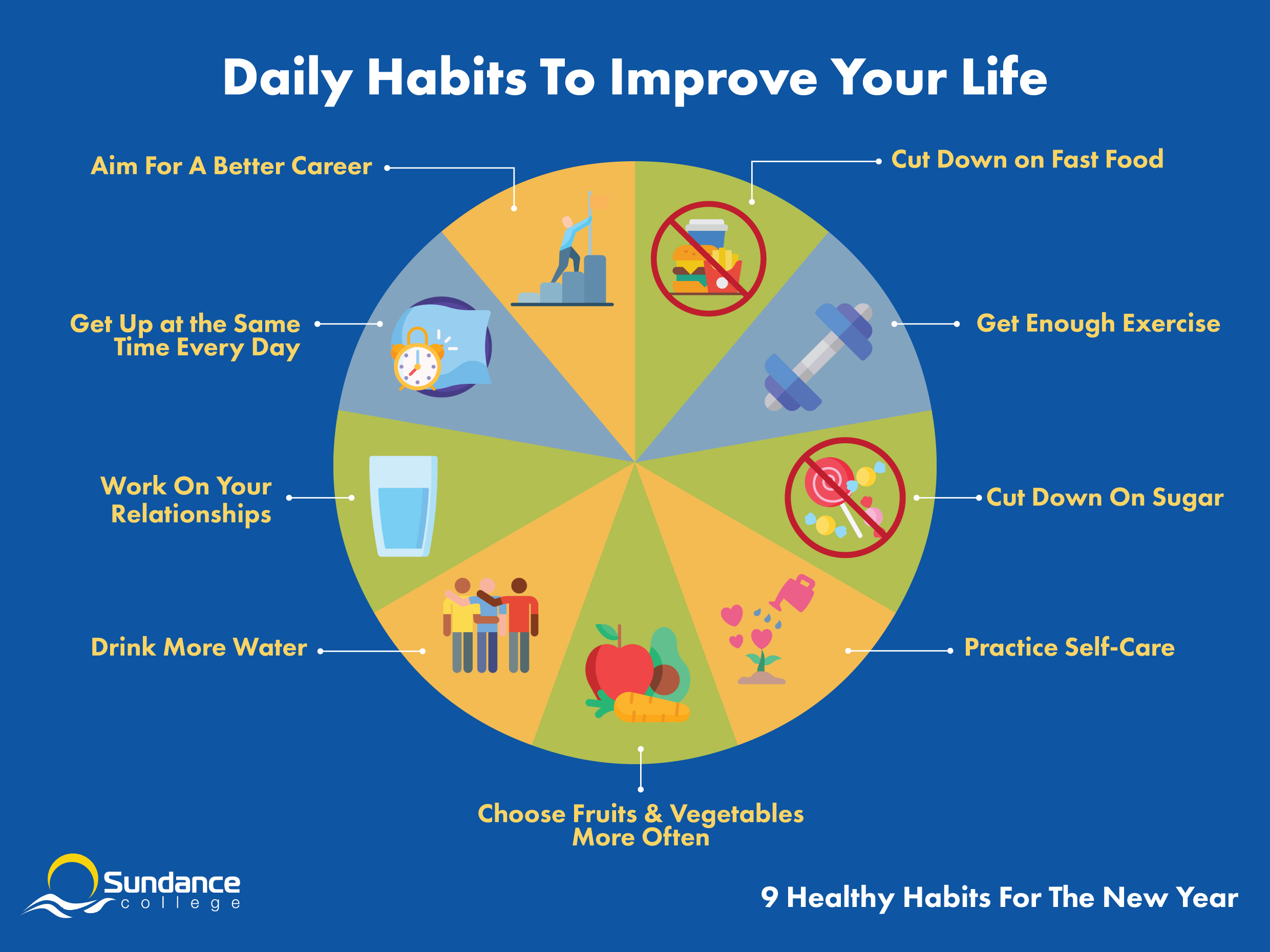
Your body thrives when fluids are steady, making hydration a reliable anchor habit that influences energy, digestion, skin, and focus. Start the morning with water to signal readiness and replenish overnight losses. Keep a bottle within reach at your desk and a glass in the kitchen to nudge frequent sips. Infuse water with citrus or herbs for variety, or enjoy unsweetened tea and water-rich foods like cucumbers, berries, and soups. Pair hydration with existing routines using habit pairing: sip after bathroom breaks, during stretch pauses, or before meals to support mindful pacing. If plain water feels boring, alternate temperatures, add a splash of sparkling water, or experiment with a pinch of salt when sweating more, staying mindful of personal needs. Notice how your body responds—lighter headaches, easier concentration, and smoother digestion are common signals. The goal is not perfection but a gentle rhythm that keeps tissues supple, joints comfortable, and the nervous system supported through steady, accessible choices.
Turn Movement Into Moments
Short, frequent movement snacks add up, transforming your day without demanding long workouts. Treat every transition as a chance to move: take the stairs, stand on calls, perform calf raises while brushing teeth, or practice hip openers after sitting. Sprinkle in mobility with shoulder circles and spine rotations to counter desk time. Build strength with manageable sets of squats, push-ups against a countertop, or suitcase carries with grocery bags. Anchor one mini-session to coffee brewing and another to lunch break, then celebrate completion to reinforce the cue. Vary intensity and direction to keep joints happy and muscles challenged. When motivation dips, focus on effort over outcome—five intentional minutes are a powerful deposit. If you enjoy social accountability, invite a friend for a brisk walk or a quick stretch break. Over time, these moments boost circulation, posture, and mood while reducing stiffness. Remember, your body craves daily movement, and small bursts sprinkled through the day often outperform sporadic, all-or-nothing efforts.
Protect Your Sleep Window
Quality rest is a foundation for hormone balance, mood, and decision-making, making it wise to guard a consistent sleep window. Craft a simple wind-down routine that signals safety and ease: dim lights, lower noise, and shift to calming activities like reading, gentle stretches, or a warm shower. A cooler, dark room and a quiet environment help your brain settle; consider an eye mask or soft background sound if needed. Time caffeine earlier in the day and aim to finish heavier meals well before bedtime to support digestion. Jot a brief to-do list or gratitude note to empty the mind and soften rumination. If screens are part of your evening, minimize stimulating content and reduce brightness. Morning light exposure and daytime movement help anchor your body clock, making it easier to fall asleep and wake naturally. Protecting sleep is less about rigid rules and more about reliable cues that teach your system when to power down and restore.
Eat With Attention, Not Restriction
Sustainable nutrition grows from mindful eating, not rigid rules. Slow down and notice hunger, fullness, and satisfaction cues before and during meals. Build balanced plates with protein, fiber, colorful produce, and healthy fats to steady energy and curb cravings. Chew thoroughly, set down utensils between bites, and savor flavor and texture to help your body register enough. Use environment design to support choices: keep nourishing options visible, pre-portion snacks, and place treats out of immediate sight for intentional enjoyment. Plan a few simple meals you enjoy and rotate them to reduce decision fatigue. When you want something sweet or salty, have it consciously and savor it fully—permission reduces the urge to overdo it later. Hydrate before meals to support pacing, and include volume-rich foods like leafy greens or broth-based soups. Over time, these gentle practices strengthen self-trust, making it easier to eat in alignment with your values while staying flexible during social events or busy days.
Calm as a Skill You Practice
Stress will visit; your skill is how you meet it. Train calm with breathwork, lengthening the exhale to signal safety to your nervous system. Try a slow inhale, brief pause, and longer exhale to soften tension in minutes. Sprinkle micro-meditations between tasks, or use a body scan to notice shoulders, jaw, and belly, releasing what you can. Keep a brief journaling habit to organize thoughts or write a few lines of gratitude to shift focus toward sufficiency. Step outside for natural light and a short walk to reset attention and mood. Practice boundaries by scheduling screen-free blocks and protecting recovery time. When overwhelm hits, choose the smallest helpful action—refill water, stretch, or tidy one item—to regain agency. Connection matters too: share a laugh, send a kind message, or ask for support when needed. These daily reps build resilience, teaching your system to return to balance more quickly and allowing healthier choices to feel natural rather than forced.