Savor the Journey: A Food Lover's Guide to Global Street Eats
From Bangkok's sizzling wok stalls to Mexico City's taco stands, explore iconic street eats, etiquette tips, and how to taste local culture safely.
Discovering Culture One Bite at a Time
Street stalls are where local culture becomes edible, turning every bite into a lesson in place, people, and tradition. As you wander markets and night lanes, the sizzling griddle, the plume of charcoal smoke, and the rhythm of knives on boards form a soundtrack to travel and tourism that is as authentic as any landmark. Street food distills history into spice blends and family techniques, revealing migration patterns, trade routes, and neighborhood identities without a single plaque. Taste how seasonality guides menus: morning breads perfumed with seeds, midday skewers lacquered in glaze, and twilight soups simmered to comfort weary feet. Notice the choreography between vendors and regulars, the shorthand of nods and gestures, and the unspoken codes around queueing and sharing space. You are not only buying a snack; you are joining a tiny community for a few minutes. Carry curiosity, respect, and a ready appetite, and the street becomes your most welcoming dining room.
How to Pick the Perfect Stall
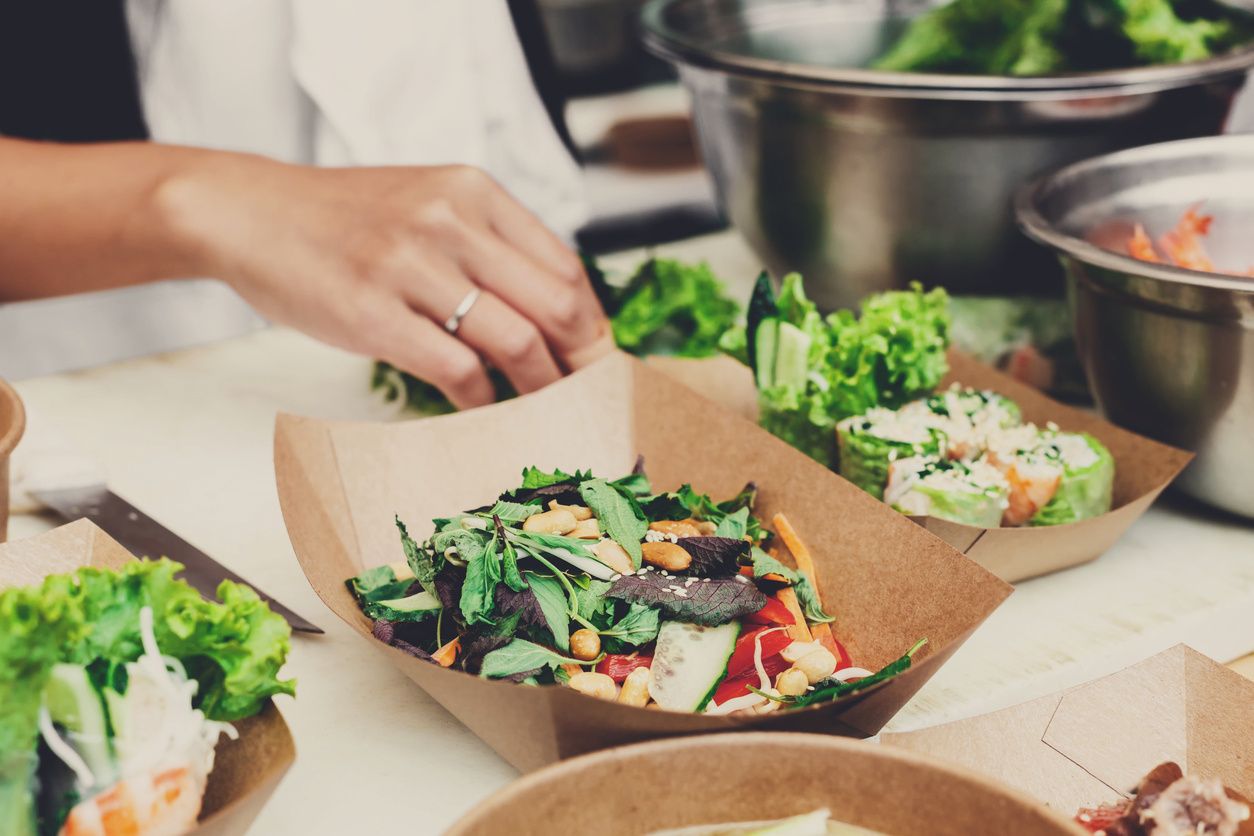
Choosing well is part science, part instinct. Follow the queue of locals, a reliable signal of flavor, value, and turnover that keeps food fresh. Scan for hygiene clues: a tidy workspace, separate handling of cash and ingredients, steam rising from hot items, and chilled goods kept cold. Compact menus often mean focus; vendors who make one or two specialties tend to nail consistency. Use your senses. Trust aromas that make you linger and the crackle of a grill that promises crisp edges and juicy centers. Time your visit for peak hours when batches are cooked continuously. If you have dietary needs, point at ingredients, ask about spice levels, and learn a few key phrases to avoid miscommunication. Carry small bills or local digital payment to keep lines moving. Skip stalls where food sits uncovered too long or looks tired. The goal is simple: fresh, hot, and handled with care, so flavor and safety travel side by side.
Signature Flavors From Every Corner
Global streets showcase a tapestry of textures, heat, and balance. In Latin America, smoky spits shave tender pork onto warm tortillas, while griddled arepas cradle molten cheese or slow-cooked meats, marrying crisp shells with soft centers. Across Asia, skewers of satay drip with peanut and palm-scented sweetness, delicate dumplings release savory broth, and herb-packed banh mi crackles with pickles and cilantro beneath a brittle crust. The Middle East and North Africa offer falafel that crunches outside and clouds within, layered wraps perfumed by cumin, and sesame-slick breads baked to order. Europe's lanes trade in hand pies, golden arancini, and paper cones of fried seafood that taste of sea breezes and lemon. From West African suya brushed with peppery rubs to flaky burek coiled with cheese, each region frames its own idea of portable comfort. Seek harmony: sweet meeting sour, fat balanced by acid, soft cushioned by snap. Let curiosity lead, and your palate will map the world.
Ordering, Etiquette, and Safety on the Go
Every scene has a rhythm. Watch how people order, pay, and pick up before stepping in. A smile, a greeting, and a simple point at the display can go further than perfect pronunciation. Many stalls are fast; have your choice and cash ready, and move aside quickly after paying. Condiments are often self-serve; sample lightly before dousing, especially with chili oils. Sharing is common at standing counters, so leave space, wipe spills, and stack trays. Safety is practical, not paranoid: choose items cooked hot to order, peel fruit yourself, and be cautious with ice if water quality is uncertain. Carry hand sanitizer and a reusable napkin. If photographing, ask permission, avoid blocking the queue, and give vendors portraits they will appreciate. Light customization is fine, but respect house style; signature dishes exist for a reason. Above all, patience and politeness unlock generosity, recommendations, and sometimes that off-menu bite locals whisper about.
Eating Responsibly and Making It Last
Great street eating is also about sustainability and planning. Pack a small kit with reusable utensils, a collapsible cup, and a cloth tote to cut single-use waste. Favor vendors who serve on paper or compostable materials, and refuse extra packaging when you can. Build a tasting route: cluster stalls within walking distance, share plates to sample more, and avoid over-ordering so nothing goes to waste. Budget with intention; street markets make high-quality travel affordable, and a few small purchases spread support among many small businesses. Learn a handful of local words for please, thank you, less spicy, and no meat to communicate clearly. Ask before filming, tip or round up where customary, and respect closing times and sold-out signs. Pair markets with slow strolls through nearby neighborhoods to absorb architecture, murals, and daily life. In the end, mindful choices make flavors brighter, memories deeper, and your journey lighter on the places that feed it so generously.