Photographer's Guide to Capturing Travel Moments
Make your travel photos unforgettable with practical tips on light, composition, ethics, gear, and storytelling—from planning to sharing.
Vision and Planning: Start every journey by defining the story you want to tell. Are you capturing a city awakening, a coastal village at rest, or a mountain path that tests resolve? Research neighborhoods, vantage points, cultural rhythms, and likely weather patterns, then sketch a flexible shot list that includes wide establishing frames, mid-range context, intimate details, and human elements. Think in sequences so your images flow like scenes: arrival, transition, climax, and quiet moments. Keep space for surprise; spontaneity often delivers the most memorable frames. Scout foregrounds and clean backgrounds, note potential reflections, and imagine how subjects will move through the frame. Build buffer time into your schedule so you can wait for the decisive moment rather than rushing through locations. When you approach a place as a storyteller rather than a collector of snapshots, your travel photography gains cohesion, continuity, and a sense of purpose that invites viewers along for the journey.
Light and Timing: Light is your most expressive tool. Chase the golden hour for soft direction, gentle contrast, and warm color that flatters landscapes, architecture, and portraits. Embrace blue hour for calm tones and balanced ambient light that brings cities to life. Midday can be challenging, yet it rewards those who seek open shade, use backlight for glowing edges, or lean into graphic shadows for drama. Overcast skies act like a giant softbox, ideal for market scenes and textured details. When contrast is extreme, check your histogram to protect highlights, bracket exposures, or compose to minimize problem areas. Use window light, doorways, or reflective surfaces to shape faces and add sparkle to eyes. If you explore night scenes, stabilize with a tripod or a steady surface and mind your exposure to avoid blur. Patience with timing—waiting for a subject, a cloud break, or a reflection—often separates ordinary frames from unforgettable ones.
Composition and Perspective: Strong composition invites viewers to linger. Begin with the rule of thirds, leading lines, and negative space, then break those rules with intent. Introduce layering by combining foreground, subject, and background to create depth and narrative context. Seek symmetry in courtyards and train stations, or emphasize patterns in tiled floors and market displays. Use a frame within a frame—arches, windows, foliage—to guide attention and add dimension. Shift your viewpoint: kneel low to foreground wildflowers against mountains, or climb higher to highlight geometry in city grids. A wider focal length can include environment and storytelling context, while a longer length compresses distance for graphic compression and cleaner backgrounds. Reflective puddles, mirrors, and polished surfaces transform ordinary scenes into dynamic reflections. Compose with movement in mind, leaving breathing room where subjects are headed. Above all, simplify; removing distractions strengthens the story your image tells.
People and Culture: Photographs of people breathe life into travel stories. Lead with respect, curiosity, and genuine connection. Learn a greeting, share a smile, and, when appropriate, request consent before raising your camera. Be mindful of customs and spaces where photography feels intrusive. If permission is granted, show subjects the result; this small act builds trust and opens doors. Use context—a craftsperson at work, a vendor at a stall, a musician on a street corner—to ground portraits in place. Work with open shade or window light for flattering skin tones, and watch for gestures, expressions, and subtle interactions that reveal personality. Keep backgrounds clean, and let the environment inform the story without overpowering it. For candid scenes, anticipate patterns and wait for a decisive moment rather than shooting indiscriminately. Accept a polite refusal gracefully. Your goal is to celebrate people with dignity, preserving memories that honor the culture you are visiting.
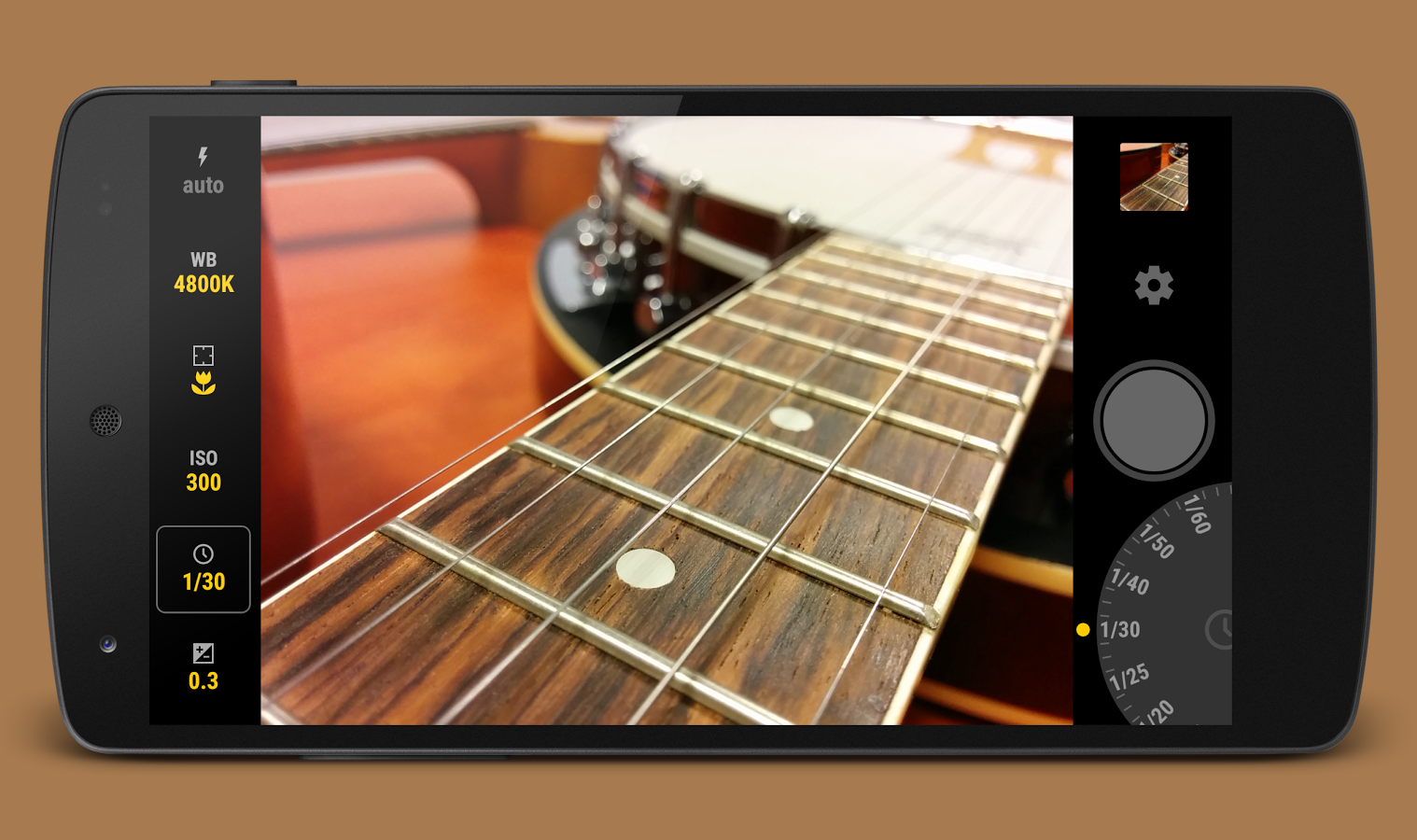
Gear and Settings: Travel favors a nimble kit and reliable workflow. Choose versatile lenses that cover broad needs without weighing you down, and pack extra batteries, memory cards, and a simple cleaning cloth. Consider weather covers and a comfortable strap to keep the camera ready. Master foundational settings: aperture for depth and subject separation, shutter speed for motion control, and ISO for sensitivity. Use RAW to retain detail and white balance flexibility, and watch your histogram to maintain highlight detail. Aperture priority can speed decision-making, while full manual grants consistency across a sequence. Set minimum shutter speeds for moving subjects, and engage stabilization when light falls. Tailor autofocus modes to the scene—single point for precise subjects, continuous for action—and leverage exposure compensation to fine-tune. Keep a small toolkit in your pocket: a microfiber cloth, a spare card, and a mental checklist that ensures your settings align with your story.
Motion and Techniques: Capturing movement conveys a sense of place and energy. Use long exposure to smooth waterfalls, soften ocean surfaces, or paint light trails across a cityscape; stabilize with a tripod or brace against a wall to avoid shake. A subtle ND filter extends shutter times in bright conditions, while a remote or timer reduces vibration. For street scenes, practice panning with a slower shutter to render your subject crisp against a streaked background, suggesting speed and bustle. Blend stillness and flow by anchoring a static foreground while people drift through, creating motion blur that hints at rhythm. Anticipation is key: study patterns, prefocus, and time your shot as a figure enters the frame. Use burst shooting sparingly to catch fleeting expressions without overshooting. Keep safety foremost—mind traffic, footing, and protective storage—so you can concentrate on technique and return with stories only movement can tell.
Editing and Archiving: Post‑production shapes the final voice of your work. Start by culling with intention, rating selects that advance your narrative and discarding redundancy. Build a consistent catalog with clear folders, descriptive metadata, and keywords for easy retrieval. Balance color and contrast thoughtfully, applying a cohesive color grade that respects the scene while aligning with your style. Use local adjustments to direct attention—subtle dodging, burning, and color refinement—while correcting horizons, perspective, and lens distortions. Apply targeted noise reduction and modest sharpening to maintain texture without overprocessing. Export versions tailored for print and screen, preserving detail and consistency. Protect your images with a robust backup plan: multiple copies in different locations, routine verification, and if possible, in-camera redundancy or frequent card dumps while traveling. Close the loop by sequencing images into a story and writing captions that add context, anchoring your travel photographs in memory.