Noise-Canceling Headphones Explained: What to Look For
Understand how noise-canceling headphones work, the features that matter, and how to pick the right pair for travel, work, music, and calls.
Active vs Passive Noise Control
Understanding how noise-canceling headphones work starts with the difference between Active Noise Cancellation (ANC) and passive isolation. ANC uses outward and inward microphones to capture ambient sound, then generates an inverse sound wave that cancels low, steady noises such as engine hum or air conditioners. It excels with predictable, low-frequency rumbles but is less effective against sudden, irregular sounds or nearby voices. Passive isolation, by contrast, relies on physical sealing and materials to block noise. Over-ear designs with well-fitted earcups and dense memory foam can reduce mid and high frequencies, while in-ear models depend on properly sized ear tips to create a tight seal. Many modern designs combine feedforward and feedback mics for hybrid ANC, balancing suppression and sound quality. Look for adjustable transparency modes that let you hear surroundings safely. Remember, ANC can subtly alter a headphone's sound signature, so audition with ANC on and off to confirm the tuning remains enjoyable in your typical listening environments.
Fit, Comfort, and Isolation
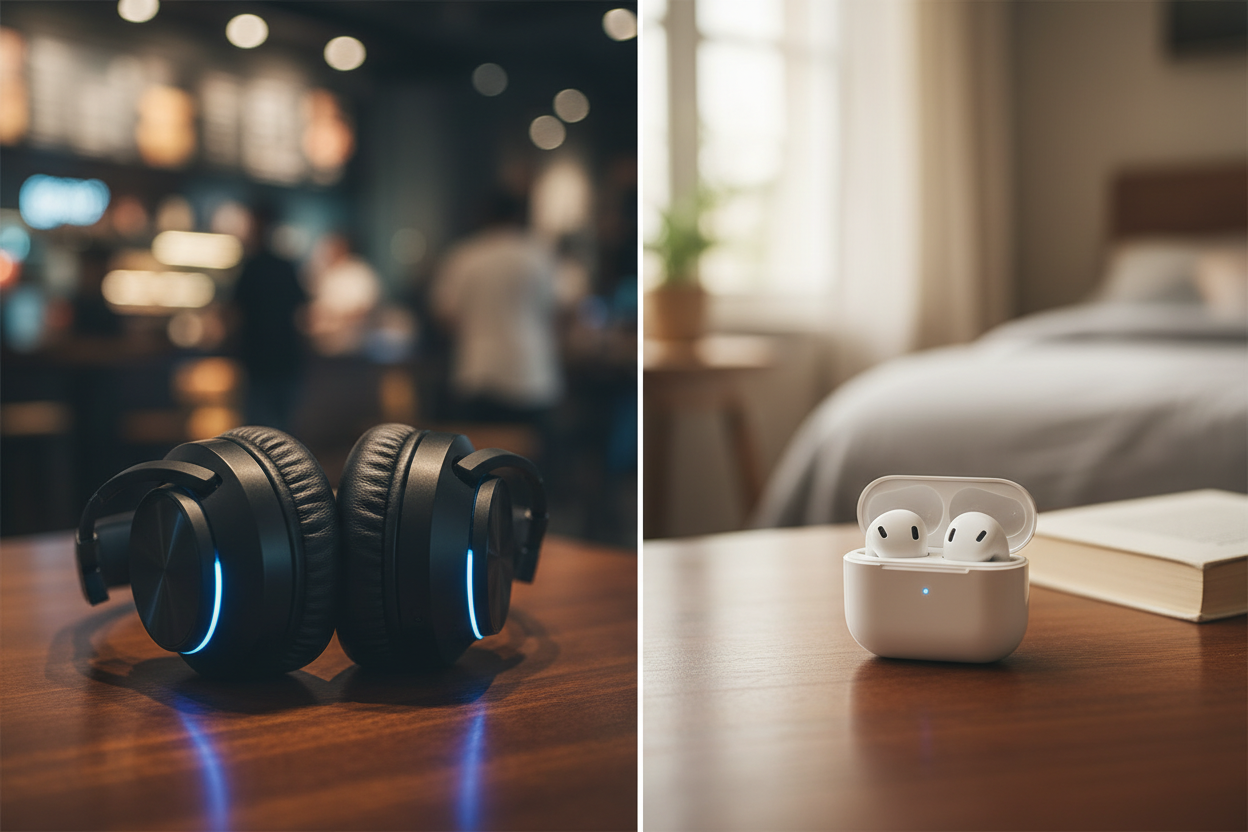
Comfort determines whether you actually enjoy your investment, and it directly influences noise isolation. Over-ear models should offer balanced clamping force that holds a seal without creating hotspots. Check the headband padding, weight distribution, and earcup pivot range so the cushions conform to your jawline and glasses. Materials matter: breathable fabric or perforated pads reduce heat, while memory foam and supple coverings improve sealing. In-ears must ship with multiple tip sizes; try different shapes and consider foam tips for a better seal and extra isolation. Pay attention to ANC pressure sensation, a feeling some users notice when cancellation is strong; adjustable ANC levels can help. For long sessions, light weight and stable geometry minimize ear fatigue. Durability also ties to comfort over time, so inspect hinges, sliders, and yokes for flex and creaks. A protective carry case prevents deformation in backpacks, preserving both the seal and the cushion integrity that your isolation depends on.
Sound Quality and Codecs
Great noise canceling should not come at the expense of sound quality. Evaluate the tuning: do you prefer a neutral balance for clarity, a warm presentation for smoothness, or a V-shaped profile with elevated bass and treble for excitement? Strong ANC can slightly change perceived bass and treble, so judge the frequency response with ANC engaged. Listen for clean midrange, controlled bass that does not bleed into vocals, and non-fatiguing treble. On wireless performance, the Bluetooth codec shapes fidelity and stability. SBC is the baseline; AAC is common on many devices; some hardware supports high-bitrate or low-latency codecs that improve detail or reduce audio delay for video and gaming. Prioritize stability in crowded areas, and consider a wired option for zero-latency use and consistent quality. An adjustable EQ lets you refine the sound; small tweaks around bass shelf or upper mids can correct room or fit effects. Finally, ensure that sound quality remains satisfying at moderate volumes, promoting safe listening habits.
Battery and Power Features
Battery performance dictates how often you reach for the charger. Look for realistic battery life ratings with ANC on, and note any extended figures with ANC off. Fast charging can be a lifesaver, delivering multiple hours from a brief top-up. A USB-C port streamlines charging across devices. If you plan extra-long sessions, consider models that support passive wired playback, so you can listen even when the battery is depleted. Smart power management features matter: auto-off, wear detection, and efficient standby modes help conserve energy. Large batteries add weight, so weigh endurance against comfort. For longevity, keep headphones out of extreme heat, avoid full discharges when possible, and store with a moderate charge. High-bitrate wireless modes can draw more power, as can maximum ANC and transparency levels, so adjust settings to match your environment. If serviceability is important, check whether ear pads or batteries can be replaced to extend the product's usable life.
Controls, Calls, and Connectivity
Daily usability hinges on intuitive controls and robust connectivity. Decide whether you prefer physical buttons for tactile certainty or touch gestures for sleek operation; gloves and rain often favor buttons, while gestures reduce mechanical wear. Reliable Bluetooth pairing, strong range, and support for multipoint connections enable seamless switching between a laptop and phone. Companion apps can unlock EQ, ANC levels, transparency mode, and firmware updates; look for straightforward layouts and profiles you can save. For calls, inspect microphone quality and noise suppression; good beamforming and wind filtering keep your voice clear in busy streets. Sidetone is useful, letting you hear your own voice naturally during calls to reduce shouting. Media controls should include play, pause, volume, and ANC toggle, with customizable shortcuts for convenience. Voice assistant access can help with hands-free tasks, but ensure privacy options are clear. Altogether, consistent connectivity and thoughtful controls make features feel effortless rather than gimmicky.
Use Cases and Buying Checklist
Match features to your lifestyle to get the best value. For travel, prioritize strong ANC, comfortable ear pads, compact folding designs, and reliable battery life. In open offices, adjustable ANC and natural transparency help you focus yet stay aware during quick conversations. For remote work, seek excellent call quality, multipoint connectivity, and stable pairing with laptops. Commuters might favor quicker fast charging and sweat-resistant materials. Audiophiles should focus on sound tuning, optional EQ, and wired fallback. Before buying, test fit and seal, check for pressure sensation, verify control layout, and listen for background hiss in quiet rooms. Ensure the headset maintains its tuning with ANC on, and confirm comfort over at least one long session. Inspect build quality, pad replacement options, and case protection. Consider future needs: firmware support, codec compatibility, and parts availability. A thoughtful checklist keeps you focused on what matters, so your headphones feel like a tailored tool rather than a compromise.