Mountain Retreats: Serene Stays Above the Clouds
Discover tranquil mountain retreats where crisp air, panoramic trails, and cozy lodges offer slow travel, wellness, and sky-high views above the clouds.
Sanctuary Above the Clouds
Perched where ridgelines meet the sky, mountain retreats invite travelers into a quieter way of being. Morning light skims across peaks, valleys hold velvety cloud inversions, and nights stretch into stargazing sessions that recalibrate the senses. The appeal is not just scenery but serenity—a refined calm born of crisp air, measured silence, and mindful pacing. Guests often notice attention sharpening: the creak of timber, the hush of snowfall, or the layered notes of a distant stream. These details nudge a gentle digital detox, returning focus to breath, body, and landscape. Retreats range from cozy chalets wrapped in fragrant wood to minimalist cabins set on windswept terraces, each promising restorative sleep and unhurried mornings. Whether you seek contemplative walks, fireside reading, or simply a balcony moment above the clouds, the mountain setting offers an elemental reminder that luxury is sometimes the absence of hurry, and that time, when properly quieted, becomes a companion rather than a chase.
Choosing the Right Elevation
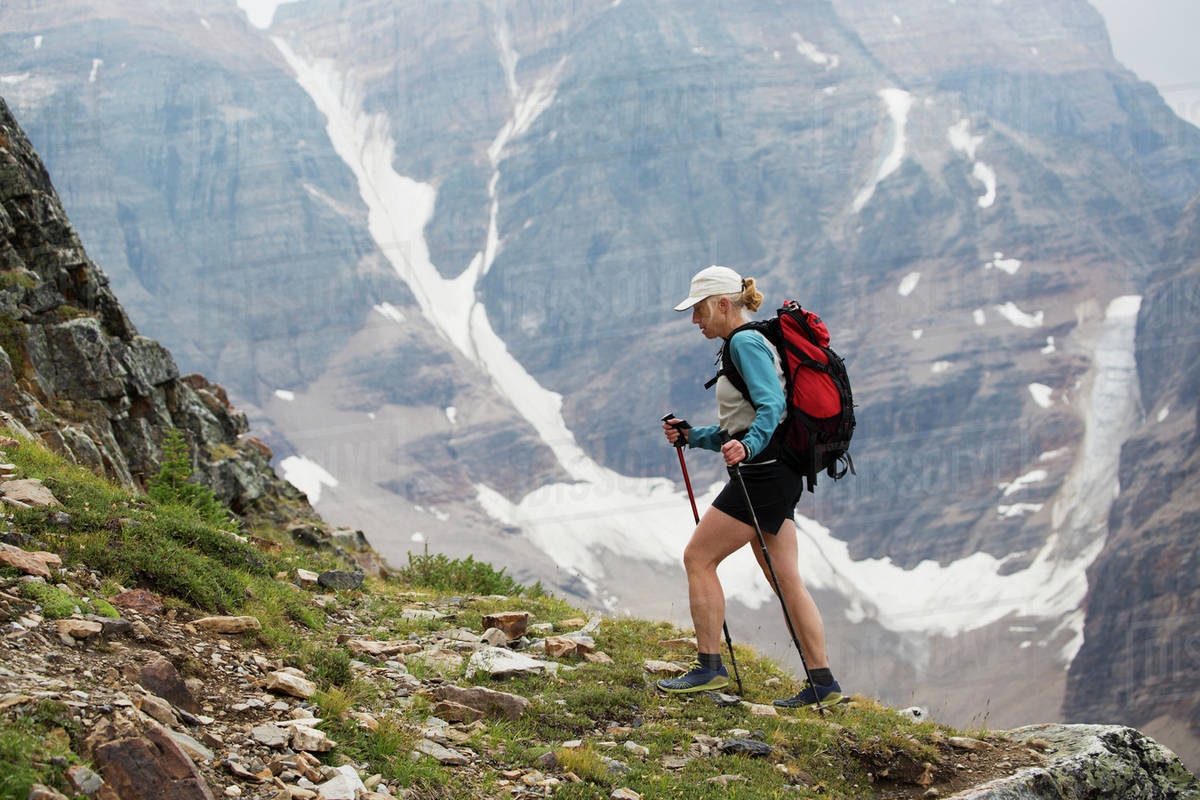
Selecting the ideal perch is a balancing act between altitude acclimatization and desired experience. Mid-elevation escapes often deliver generous comfort with easier access, gentle trails, and sweeping views without the sharper effects of thin air. High-alpine lodges, by contrast, pair cinematic horizons with invigorating days and hushed nights, ideal for seasoned hikers or guests craving a sense of frontier. Family travelers may prefer valleys edged by forests and meadows, where wildlife viewing and riverside picnics are close at hand. Adventure seekers can target ridgelines or bowls that place dawn ascents and summit circuits right outside the door. Consider your energy levels, interests, and how you enjoy spending unstructured time. If yoga, reading, or sketching fill your bliss, a serene plateau might suit you best. If you relish challenge, altitude can be a powerful ally—provided you pace gently, hydrate well, and respect your body's cues. Choose your elevation, and let the landscape shape the rhythm of your stay.
Design That Honors the Mountain
The most memorable retreats practice biophilic design, bringing the outside in through natural textures, gentle proportions, and patient craftsmanship. Look for natural materials—stone with a cool hand, timber with visible grain, wool and linen that soften both sound and mood. Thoughtful passive heating strategies, thermal mass, and careful siting allow rooms to feel warm without heavy environmental cost, while deep overhangs and panoramic glazing frame shifting light. Many properties emphasize low-impact operations—from green roofs and rainwater capture to efficient stoves and well-insulated envelopes—so comfort coexists with conservation. Interiors remain uncluttered, encouraging contemplation: a window seat angled toward a glacier tongue, a reading nook tucked beneath beams, or a bath with a view that turns soaking into ritual. Even small touches—thick slippers, herbal pillows, and soundscape considerations—support restorative rest. Above all, design bows to place, letting mountains remain the protagonists and guests the grateful audience.
Slow Journeys and Scenic Access
Reaching a lofty sanctuary can become part of the pleasure when you embrace slow travel. Scenic rail lines, cableways, and winding mountain roads transform transit into storytelling, as each curve reveals fresh layers of geology and forest. Plan for extra time, not to rush, but to pause at overlooks, breathe deeply, and let anticipation build. Pack light and modular, favoring layers and compact gear that simplify transitions from sunlit meadows to shadowed gullies. Request guidance on routes, trail conditions, and trail etiquette, especially when paths pass grazing lands or delicate flora. Many retreats can arrange transfers or advise on sustainable connections, reducing stress while trimming footprint. Upon arrival, let your first activity be stillness: step onto the terrace, orient by landmarks, and notice wind direction and bird calls. This mindfulness enriches subsequent outings, whether you wander to a tarn, follow a ridgeline, or linger on a bench that makes the entire valley feel like an open-air amphitheater.
Wellness in Thin Air
Elevated environments invite potent wellness rituals that synchronize body and mountain. Begin with unhurried breathwork, letting lungs adapt to thin air through steady, nasal inhalations and long, easy exhalations. Hydration is your quiet ally; altitude often amplifies thirst, so sip frequently and include mineral-rich beverages. Many retreats offer hydrotherapy circuits—warm pools, steam rooms, and contrast showers—that soothe muscles after hikes and help regulate sleep. Outdoor decks host dawn stretches or yoga at altitude, where crisp air heightens focus and balance. Consider forest bathing in larch or pine stands, allowing resinous scents and dappled light to reduce stress markers. Evenings favor sleep hygiene: dim lights, herbal infusions, and gentle reading, setting your circadian rhythm to match the hills. Curated experiences—guided breathing, barefoot meadow walks, or stargazing with mindfulness prompts—turn simple moments into restorative practice. The goal is not athletic triumph so much as attunement: aligning movement, breath, and attention with the surrounding peaks.
Savoring Mountain Flavors
Culinary traditions in the high country express both place and practicality. Expect farm-to-table plates that showcase hardy vegetables, stone-ground grains, and local produce shaped by short growing seasons and generous sunshine. Kitchens lean into hearty stews, slow-braised meats, and earthy legumes, balanced by alpine cheeses, foraged wild herbs, and tart berries. Baking has its own character at elevation, yielding crusty loaves and tender pastries that pair beautifully with mountain butter and honey. Lunch might be a picnic of rye, cured meats, and pickled roots at a viewpoint; dinner could unfold as a multi-course celebration by a crackling hearth. Don't overlook herbal infusions or artisanal soft drinks flavored with spruce tips, mint, or elderflower—refreshing companions for afternoons on the terrace. Communal tables encourage conversation, while cooking classes or foraging walks connect diners to the landscape. Eating in the mountains feels both nourishing and grounding, a delicious reminder that sustenance can be simple, seasonal, and deeply place-specific.
Stewardship and Community Connection
The highest luxury of a mountain escape is leaving the place better than you found it. Choose operators who practice responsible tourism, from community-led guiding and fair employment to waste reduction and habitat care. Travel with carbon-light habits—public transport where feasible, shared transfers, and thoughtful packing that favors reusables over disposables. Bring reusable bottles, learn where to refill safely, and respect wildlife corridors by keeping distance and staying on marked paths. Cultural sensitivity matters: greet neighbors, learn a few local phrases, and support artisans by purchasing durable, meaningful crafts. Consider contributing time or resources to trail maintenance or conservation efforts recommended by your hosts. Tread softly around water sources, minimize noise, and embrace Leave No Trace ethics. As you depart, carry memories and modest footprints, plus a renewed understanding that the health of these heights depends on collective care—an ongoing partnership between travelers, communities, and the resilient, generous mountain itself.