Mindful Breathing Techniques for Everyday Calm
Discover simple, science-backed breathing techniques you can use anywhere to ease stress, sharpen focus, and restore a sense of everyday calm.
Centering the Breath: Why It Calms the Mind
Mindful breathing is the simple, powerful practice of bringing deliberate attention to the natural flow of inhales and exhales. By gently focusing on sensation rather than rumination, you signal the parasympathetic nervous system to soften stress responses, steady the heart, and loosen muscle tension. A calm breath becomes a cue for a calm mind, creating space between stimulus and reaction so you respond rather than react. The beauty of mindful breathing lies in its portability; it is available anywhere, requires no equipment, and fits neatly into busy routines. With practice, attention anchors to breath even amid distractions, and the body learns to associate slow, steady breathing with safety. This pairing gradually reshapes habits, helping you move through daily tasks with more clarity and patience. If thoughts wander, notice without judgment and return to the next inhale. That gentle redirection is the training. Over time, breathing becomes both a grounding tool and a quiet reminder of presence.
Posture, Place, and Intention
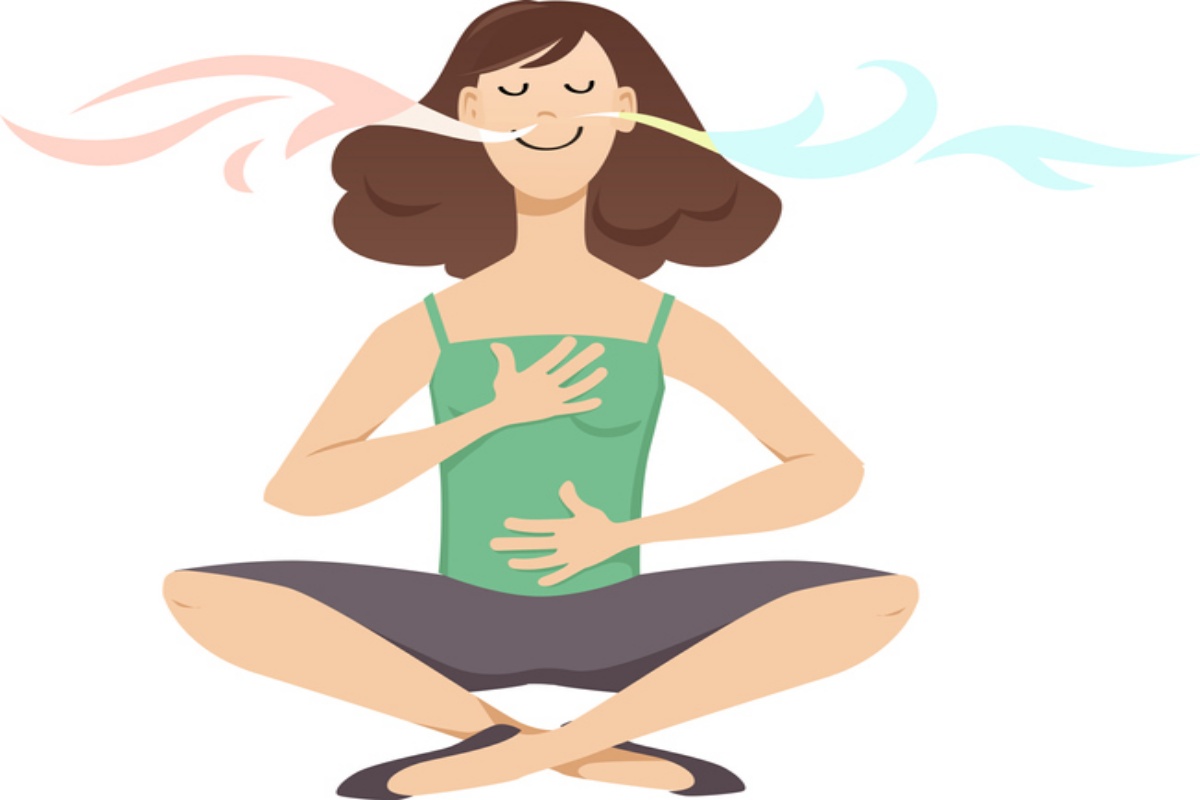
Small adjustments make breathing practices more effective. Sit or stand with an elongated spine, relaxed shoulders, and a soft jaw so the diaphragm can move freely. Rest one hand on the belly and one on the chest to feel where air is traveling, inviting the belly to rise on inhalation and fall on exhalation. Close your eyes or lower your gaze to reduce visual noise, and set a simple intention such as steady, easy, kind. Whenever possible, breathe through the nose; nasal breathing gently filters air and can promote calmer, slower rhythms. Choose a quiet spot or create an inner quiet by turning down internal volume and letting sounds pass without analysis. Start with a brief timer to encourage consistency without pressure. On busy days, even a minute or two makes a difference. Aim for a longer exhale than inhale to deepen calm, and allow each session to be imperfect, curious, and compassionate.
Diaphragmatic Breathing, Step by Step
Diaphragmatic, or belly breathing, is the foundation of many calming techniques. Place one hand on the belly and the other on the upper chest. Inhale slowly through the nose, guiding breath downward so the belly expands first while the chest remains relatively still. Then exhale smoothly, feeling the belly fall as air leaves. Try a gentle count for pacing, keeping breath effortless rather than forceful. If the shoulders lift or the throat tightens, pause, soften the jaw, and return to a lighter, easier inhale. Imagine filling from the base up and emptying from the top down, letting gravity assist the release. This pattern massages the vagus nerve, supports the core, and reduces shallow chest breathing linked with tension. Practice reclining if seated work feels challenging, placing a light book on the belly for feedback. Over time, the sensation of low, wide breath becomes familiar, and the body adopts it spontaneously during stressful moments.
Box Breathing for Clear Focus
Box breathing creates structure when the mind feels scattered. Visualize a square and pace the breath along each side: inhale, hold, exhale, hold, keeping all phases even and steady. Choose a comfortable count that does not strain. The pauses help settle mental chatter and sharpen attention, while the balanced rhythm prevents overbreathing or rushing. Use this method before important conversations, during short breaks between meetings, or while waiting in a line to reclaim calm. Keep the body soft, especially the shoulders and brow, and let each hold feel buoyant rather than rigid. If a hold feels edgy, reduce the length or skip the pause until comfort returns. Consistency matters more than intensity; a few relaxed cycles can shift your state. Over time, box breathing becomes a quick reset, reinforcing a sense of composure and control, and helping you carry steadiness from breath to task with greater ease.
Settling with a Gentle Rhythm
A soothing option is to pair a smooth, unforced inhale with a slightly longer exhale, creating a gentle downshift for the nervous system. You might also explore a pattern such as a calm inhale, a soft pause, and a spacious exhale, finishing with a brief rest before the next breath. Keep the rhythm light, like floating on a tide, avoiding strain or breath hunger. Some people enjoy the familiar 4-7-8 pattern, while others prefer a simple five or six count pace; the optimal choice is the one that feels sustainable, warm, and steady. If dizziness arises, shorten the count and return to natural breathing. Placing a hand over the heart and another on the belly can enhance interoceptive awareness, nurturing a sense of safety. With repetition, this steady rhythm becomes an internal metronome, whispering slow down to your body and thoughts, and nurturing everyday calm without effortful control.
Weaving Breath into Daily Life
Breathing practices work best when woven into routines. Tie a brief session to everyday anchors such as waking, meals, or commutes. Take three mindful breaths before opening messages, beginning a meeting, or stepping into the home after a long day. During transitions, let the exhale be your reset, releasing the previous moment before entering the next. Try breath cues throughout the day: one at a red light, two when washing hands, three while waiting for a kettle or elevator. When walking, match steps to a gentle inhale and a longer exhale, noticing the rhythm of feet and lungs moving together. Pair breath with a phrase such as in, I arrive; out, I soften, keeping language simple and kind. Use subtle reminders like a phone wallpaper, a sticky note, or a small token in your pocket. Over time, habit stacking turns mindful breathing into a dependable companion threaded through ordinary moments.
Staying Consistent and Troubleshooting
Consistency grows from kindness, not perfection. Expect wandering thoughts, restlessness, or sleepiness at times; these are normal. When the mind drifts, acknowledge what pulled you away and escort attention back to the anchor of breath. If anxiety spikes, shorten breath holds, loosen the belly, and extend the exhale lightly. If boredom appears, vary techniques or shift posture. Track small markers of progress, like quicker recovery after stress or improved patience during delays. A brief note at the end of the day can reveal patterns and build motivation. On demanding days, practice for a single minute to keep momentum; on spacious days, linger a little longer. Celebrate tiny wins, and let setbacks be information rather than judgment. With self-compassion, you will return again and again, discovering that calm is not a distant destination but a skill you cultivate, one thoughtful breath at a time.