Mastering Torque vs Horsepower: A Clear Guide for Motor Enthusiasts
Understand torque vs horsepower: what they mean, how they're measured, and how gearing and power curves affect acceleration, towing, and top speed.
Torque and Horsepower Defined
Torque is the twisting force an engine produces; imagine a wrench turning a bolt. It is the immediate shove that gets a vehicle moving and keeps it pulling against resistance. Horsepower is the rate at which work is done. It tells you how quickly an engine can apply that twisting force over time. The two are linked: Horsepower = (Torque × RPM) / 5252, meaning horsepower rises with engine speed if torque stays steady. When enthusiasts argue about which matters more, the honest answer is that both do—just in different ways. Torque shapes initial response, towing confidence, and low-speed muscle. Horsepower decides how fast a vehicle can continue to accelerate as speeds climb. The most enjoyable motors combine a generous spread of torque with enough horsepower to keep breathing at higher RPM. Understanding this relationship is the first step to reading spec sheets wisely and choosing or tuning a setup that matches your driving style, terrain, and performance goals.
The Street-Level Importance of Torque
In everyday driving, torque is king. It is what you feel when you roll into the throttle and the vehicle surges forward without drama. Strong low-end and midrange torque make a car or truck feel relaxed climbing hills, merging with traffic, or hauling a payload. Engines with a broad torque curve let you short-shift and still move briskly, which can improve comfort and efficiency. This is why vehicles aimed at utility and daily use prioritize usable torque over lofty peak horsepower figures. The magic isn't just peak torque, but how early it arrives and how long it stays available. A flat, wide torque plateau means fewer downshifts and more confidence in variable conditions—rain, grades, stop-and-go, or winding roads. Whether the engine is naturally aspirated or boosted, the goal for street manners is accessible twist at modest RPM, translating to calm drivability. If you value effortless responses more than top-end thrills, torque-rich characteristics should lead your shortlist.
Horsepower at Speed
While torque gets you moving, horsepower keeps you moving faster. At higher RPM and vehicle speeds, drag and rolling resistance grow, demanding more power to maintain or increase speed. This is where horsepower shines: it reflects an engine's ability to keep producing work quickly as revs rise. On a wide-open on-ramp or during a high-speed pass, horsepower determines how strongly acceleration continues in the upper gears. Engines tuned for top-end power breathe better at high RPM, often with valve timing, intake, and exhaust designs that favor flow at the expense of low-speed punch. If your passion is track days, canyon sprints, or long highway pulls, focus on the powerband near redline and the engine's ability to sustain power without heat soak or fade. Driving technique also changes: you keep the engine in its strongest power range with timely shifts. In short, torque launches you; horsepower wins the race against aerodynamic and mechanical resistance as speeds climb.
Reading Dyno Charts with Confidence
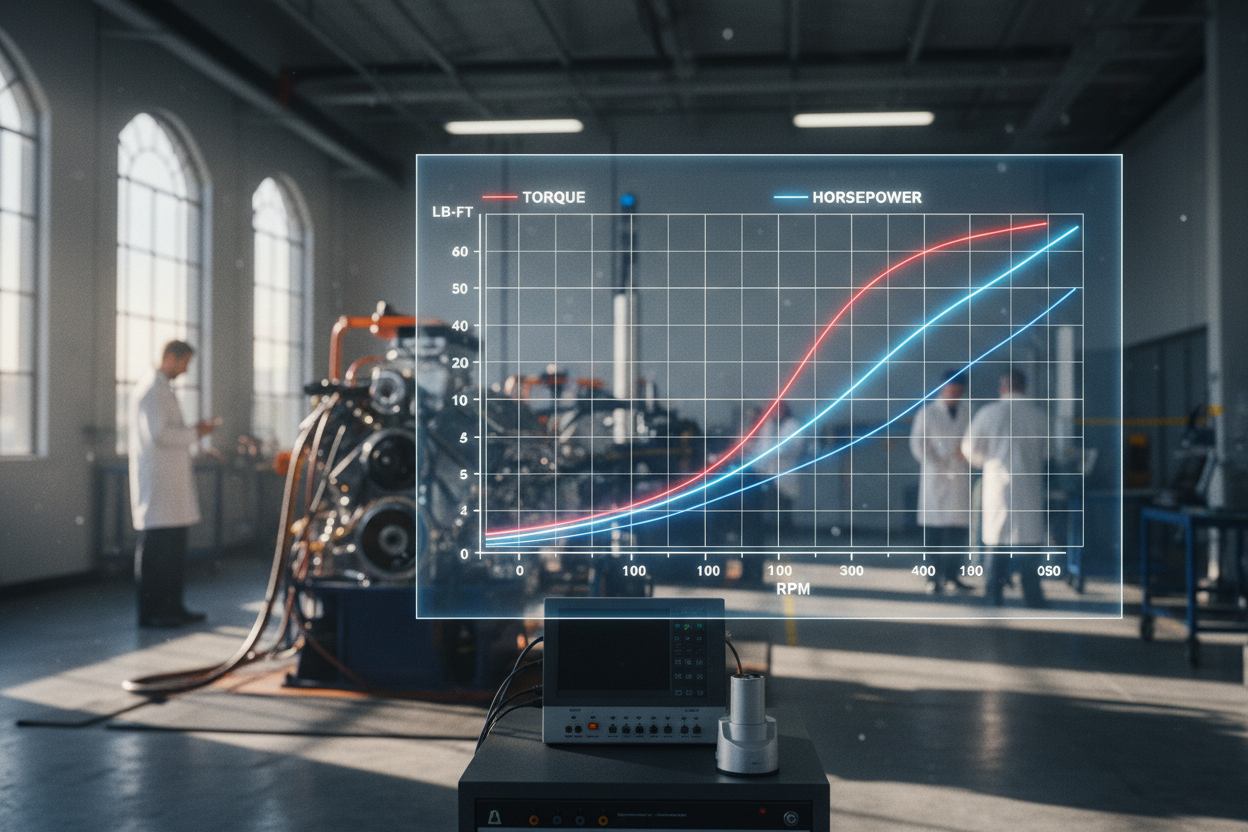
A dyno chart maps torque and horsepower against RPM, revealing how an engine actually behaves. Look first for the shape of the torque curve. A smooth, wide plateau suggests flexible performance across gears, while a peaky curve implies a narrower sweet spot. Because horsepower is derived from torque and RPM, the horsepower curve climbs as revs rise, and both curves typically intersect at a specific engine speed. Do not obsess over peak numbers alone; evaluate the area under the curve, which better reflects real-world acceleration through a gear. Note where torque starts, where it holds, and where it falls off. Consider correction factors, smoothing, and repeatability, as different dynos and setups can vary results. Finally, relate the curves to your intended use: towing and urban driving favor strong low-to-mid torque; track driving prefers robust high-RPM horsepower. Mastering dyno interpretation transforms raw charts into actionable insight for choosing or tuning a motor.
Gearing, Drivetrain, and Wheel Torque
Engines do not push the road directly; gearing multiplies engine torque before it reaches the wheels. Wheel torque = engine torque × overall gear ratio × efficiency, making transmission ratios, final drive, and even tire diameter critical. Shorter (numerically higher) gears provide stronger multiplication for rapid launches and punchy response, but they raise cruising RPM and may reduce economy. Taller gears do the opposite, favoring relaxed highway manners. The drivetrain also absorbs some energy; automatic transmissions, differentials, and accessories introduce losses that reduce wheel torque compared with crank torque. Traction matters too. Without sufficient grip, multiplied torque just spins tires, so tire compound, width, and suspension setup determine how effectively torque becomes forward motion. The best setups balance gearing, traction, and powerband so shifts drop the engine back into a strong part of the curve. Understand that spec-sheet torque is only the beginning; gearing decisions translate that twist into the feel you experience from the driver's seat.
Smart Modding for Desired Feel
Effective modifications begin with a purpose. If you want stronger low-end torque, consider components that boost airflow velocity and cylinder fill at modest RPM: optimized intake runners, conservative cam timing, and appropriately sized exhaust piping. For more top-end horsepower, focus on high-RPM breathing: freer-flowing intake and exhaust, more aggressive cams, and valvetrain stability. Forced induction (turbocharging or supercharging) can raise both torque and power, with turbo sizing, boost control, and intercooling shaping the curve. Calibrations via ECU tuning synchronize fueling, ignition, and boost for reliability and response. Support systems matter: cooling capacity, knock resistance, and oiling keep power consistent. Do not neglect the drivetrain—clutch strength, torque converter characteristics, and differential setup determine how gains reach the pavement. Finally, aim for harmony. A well-matched combination creates a broad, usable powerband rather than chasing a single big number that feels impressive on paper but awkward on the road.
Making Buying and Driving Decisions
Match the machine to the mission. For commuting, towing, or off-road crawling, prioritize a broad torque curve, sensible gearing, and cooling and braking that handle sustained load. For spirited driving or track use, look for strong horsepower at high RPM, stable temperatures, and gearing that keeps the engine in its power window. Go beyond peak specs: study dyno curves, curb weight, and gear ratios to predict real performance. On a test drive, note how the engine pulls from low revs, how it responds to a downshift, and whether shifts drop it into the powerband. Driving technique also matters. Shift near the point that delivers the best acceleration in each gear—often closer to the horsepower peak than the torque peak—while balancing traction and stability. Maintain performance with quality fluids, clean filters, properly gapped plugs, and correct tire pressures. In the end, mastering torque versus horsepower is about aligning numbers, setup, and skill with the kind of driving that makes you grin.