Iconic Train Journeys: See More by Rail
From the Glacier Express to Japan's Shinkansen, explore world-class train routes, slow travel tips, panoramic cars, and eco-friendly ways to see more by rail.
Why Rail Reveals More
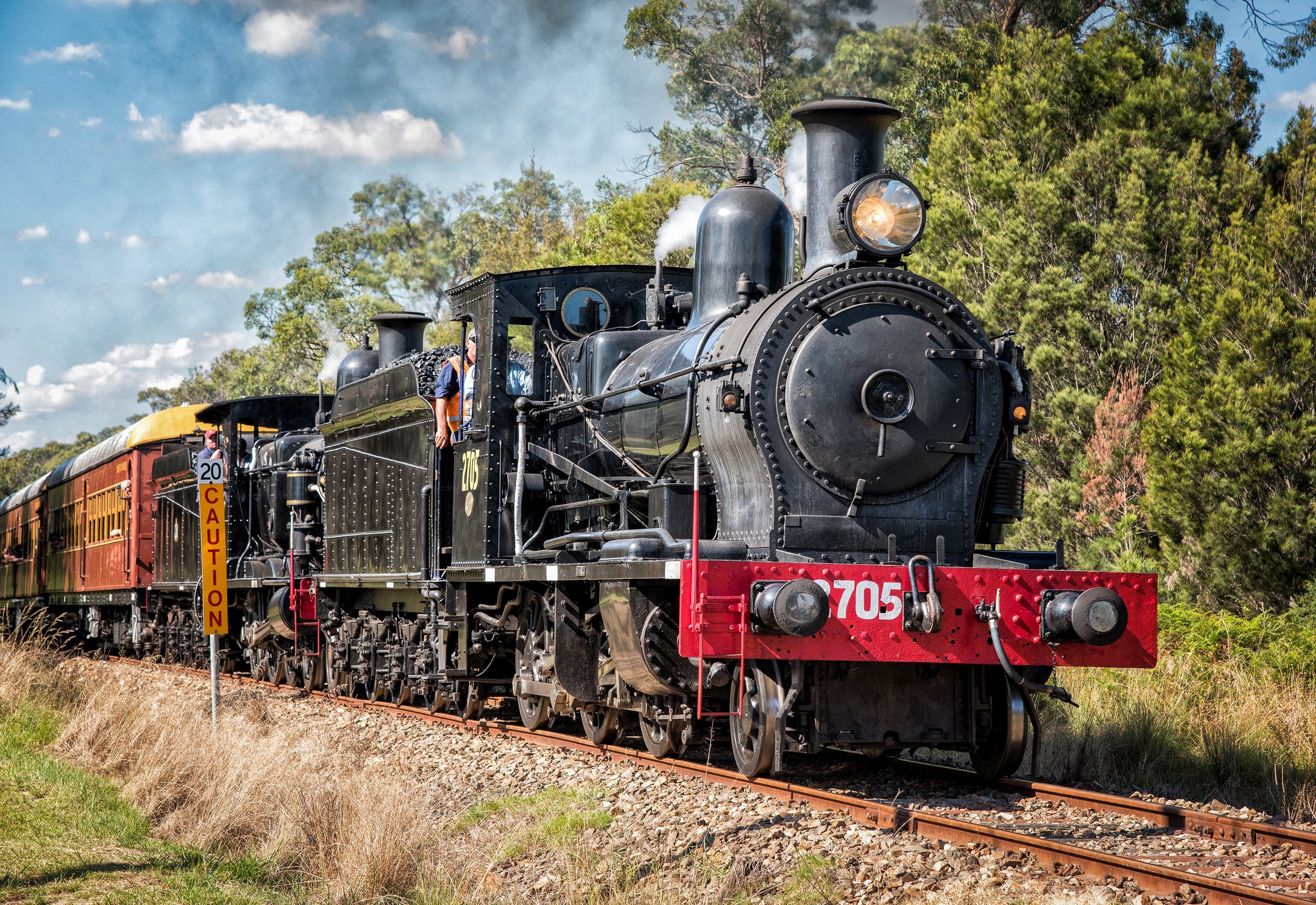
Few modes of travel match the rhythmic pace and wide-angle perspective of a long-distance train. From a window seat, landscapes unfold in a continuous panorama—vineyards sliding into river valleys, towns gathering around steeples, forests giving way to wide plains. On board, the journey becomes part of the destination: you can read, wander to the dining car, or simply trace ridgelines with your gaze without worrying about traffic. Trains typically link city-center stations, saving time on transfers and offering an unhurried, slow travel rhythm. They favor a low-carbon footprint, rewarding travelers who value sustainable travel without sacrificing comfort. Large panoramic windows turn the world into a living atlas, while generous baggage space and easy boarding simplify logistics. Because rail lines thread through everyday neighborhoods and agricultural heartlands, they reveal authentic slices of local life—commuters sharing banter, markets buzzing near platforms, and regional accents drifting through carriages. Choosing the rails means choosing context, continuity, and the kind of scenic rail storytelling that only steel and sleepers can deliver.
Mountain Passes and Alpine Drama
Crisscrossing Europe, Asia, and the Americas, alpine railways scale dramatic grades and slip through spiral tunnels that solve altitude with elegant geometry. Glass-domed coaches and generous vestibules frame crag-to-glacier panoramas, letting you follow waterfalls, scree slopes, and cedar forests up to high meadows where marmots dart between wildflowers. In winter, peaks sparkle; in warmer months, alpine lakes reflect an impossible blue, and cattle bells carry across valleys. Engineers stitch the mountains together with stone viaducts, avalanche galleries, and cog sections that rise with steady confidence. These routes reward early risers with dawn light washing over ridgelines and late travelers with dusky silhouettes of serrated horizons. Station stops often sit beside trailheads, cable cars, and mountain villages where cheesemakers, chocolatiers, and woodcarvers continue proud traditions. The rhythm is unhurried: you sip coffee as the train arcs across a famed arch or spirals inside a mountain, emerging at a summit vista that feels earned, intimate, and utterly cinematic.
Coastal Lines and Island Hoppers
Coastal rail lines deliver sea-to-window immediacy, the tracks sometimes mere steps above tide-washed rocks. On these routes, cliff-hugging tracks swing around headlands, threading fishing villages, lighthouse points, and dunes where seabirds contest the wind. You can watch surfers rise on clean breaks, ferries cleave the channel, and distant storms bruise the horizon while your carriage stays serenely on course. Many networks integrate ferry connections, making it easy to join island communities without ever renting a car. Local stops tempt you with harbor markets, briny oysters, and waterfront promenades perfect for stretching your legs between segments. Salt-glossed windows, sea breezes, and the steady drum of wheels create a meditative soundtrack. At sunset, reflections turn the rails bronze, and if you continue after dark, coastal towns blink like constellations scattered along the shore. For photographers, dawn and twilight offer pewter seas and painterly skies; for day trippers, frequent service puts coves, art hubs, and beach walks within effortless reach.
Desert Crossings and Open Skies
Desert rail journeys trade forested drama for endless horizons, placing you inside a widescreen study of light, wind, and silence. Carriages traverse salt flats, ochre mesas, and dune seas where mirage and heat shimmer play across the distance. From a sleeper cabin, you can watch the sky turn from copper to indigo as stars switch on in profusion, far from city glare. Dining cars come alive with hushed conversation, the clink of glasses syncing to the rails while the moon throws silver onto sand ripples. Daytime reveals geologic time writ large: dry riverbeds, petrified wood, and volcanic necks that read like a field guide to erosion. Occasional oasis towns introduce palms, woven textiles, and sweet tea poured from high. Guides and fellow passengers share stories of trade routes and constellations, while photographers chase long shadows and minimalist compositions. The lesson is patience: deserts reward stillness, and rail offers a comfortable, shaded front-row seat to their open skies.
Planning, Comfort, and Local Immersion
Planning multiplies the rewards of riding the rails. Start by identifying your priorities: scenic segments, heritage locomotives, or efficient links between cultural hotspots. Compare classes to decide between quiet spaces, extra legroom, or glass-domed coaches that maximize views. For longer distances, consider night trains with couchettes or private berths; you will arrive refreshed and step straight into city-center streets. Pack layers for fluctuating temperatures, a refillable bottle, snacks from local markets, and a compact camera or notebook to capture impressions. Strategic seat reservations can secure a forward-facing window on the scenic side; staff and rail forums often know which seats shine. Build buffers into your schedule to linger in village cafes or hop off for a short hike; many routes allow flexible tickets or rail passes that reward spontaneous detours. Mind local etiquette, from quiet zones to luggage racks, and travel light enough to glide through platforms. In return, rail grants continuity, community, and a beautifully sustainable travel footprint.