Iconic Train Journeys: See More by Rail
Ride the world's most iconic trains—from Alpine passes to coastal tracks—and find scenic routes, smart tips, and slow-travel magic to see more by rail.
Why Go By Rail. Train travel magnifies the journey, turning the distance between destinations into part of the experience. With panoramic windows, generous legroom, and room to wander to a cafe car, you see landscapes unspool in real time: river valleys, city skylines, farmland, and rugged coasts sliding past in a living diorama. The rhythm of the rails encourages slow travel, inviting you to read, converse, or simply watch clouds comb the hills. Stations sit in the heart of towns, removing long transfers and letting you step directly into local life. Compared with other modes, rail offers a calm, low-friction routine: no turbulence, no tiny seats, no frantic security queues. You can bring snacks, stretch, and plan the day while you move. It is efficient with time and generous with perspective, revealing the continuity between places that fast travel hides. Most of all, rail excels at showing you more with less effort, making every mile part of the story you came to collect.
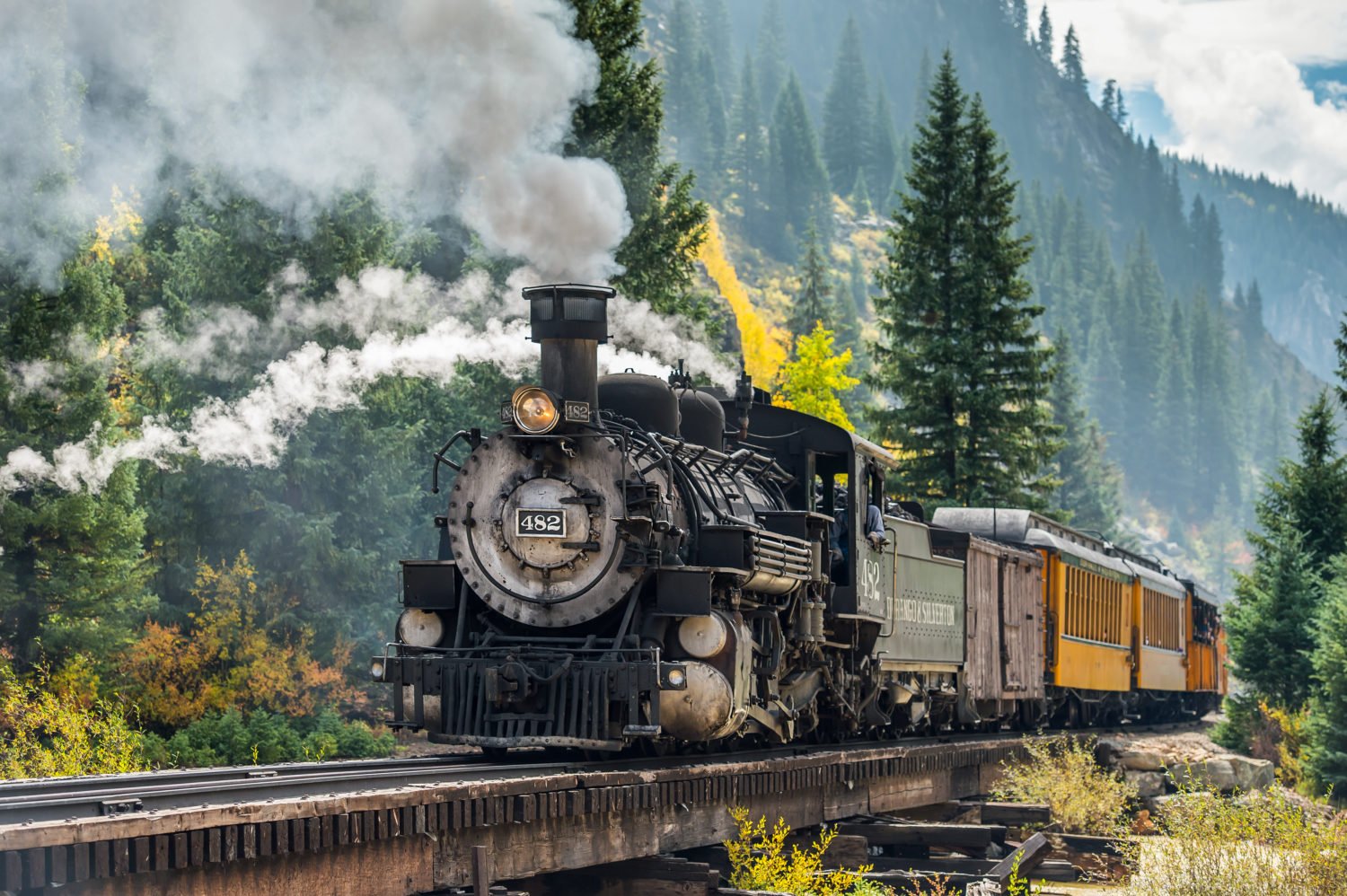
Iconic Landscapes. Some routes feel purpose-built for wonder, threading alpine passes, cliff-hugging coastlines, and wide-open deserts where the horizon blurs into heat and light. Picture a train spiraling through mountain tunnels to crest a high viaduct, coasting past snowy glaciers and emerald lakes. Imagine a coastal line that traces bays, fishing villages, and wind-carved headlands, with dolphins slicing the water as you sip coffee. In the tropics, tracks climb through misty tea estates and rice terraces, revealing valleys stitched in green. Across grasslands and red-earth plateaus, the sky becomes a theater of color at dawn and dusk. Highland moors, ancient forests, and fjord-cut shores all reveal their character at rail pace, where each bend opens fresh scenery. Whether you seek canyons, vineyards, rainforests, or island-studded archipelagos, the rails deliver a front-row seat. The continuity of the landscape—bridges, tunnels, rivers, and villages—forms a narrative you can follow without interruption, making the view as memorable as the destination.
Smart Planning. A little strategy unlocks bigger views. Choose a window seat aligned with the most scenic side, noting rivers, coasts, or mountain faces on the map; locals and crew often know which side shines. Schedule long daylight segments through dramatic terrain, saving straighter stretches for evenings or sleeper cabins. Shoulder seasons can balance clearer skies with fewer crowds, while midweek departures often feel roomier. If flexible, allow buffer days for weather shifts so you can ride a route under blue skies rather than clouds. Compare classes: standard coaches can be lively and social, while first class may offer wider seats and quieter cars. If using rail passes, learn which segments require seat reservations and which allow spontaneous boarding. Pack compact, with a small day bag for cameras, snacks, and layers, and stow larger luggage on racks for easy movement. Finally, plan station transfers ahead to avoid rushed connections, and leave time to appreciate the architecture and markets around major hubs.
Onboard Experience. Once aboard, settle into the gentle sway and curate your own rhythm. Many scenic trains feature an observation car with wider windows and swiveling seats; even without one, a cafe car offers a refreshing change of perspective. Savor regional specialties—simple soups, bakery treats, or local cheeses—because onboard dining doubles as cultural tasting. For photos, wipe the window, brace your elbows, and shoot slightly ahead of your motion to avoid blur; then put the camera down and absorb the view. Pack essentials: noise-canceling earbuds, a lightweight layer for fluctuating temperatures, a power bank, and a refillable bottle. Keep aisles clear, respect quiet coach etiquette, and speak softly; shared space makes rail travel convivial. Bring a small field notebook for station names and landmarks, or download offline maps to match vistas with geography. If traveling with kids, rotate window time and plan discovery games—spotting bridges, tunnels, and wildlife—so the journey becomes part of the adventure.
Sustainability and Culture. Rail travel pairs a lower carbon footprint with richer cultural immersion. By replacing short flights or long drives, trains cut emissions and congestion while connecting you more closely to the communities you pass. Stations anchor neighborhoods, often surrounded by markets, bakeries, and family-run cafes where you can sample local recipes and meet people on their daily routines. Along the way, you see working landscapes—orchards, fisheries, vineyards—and gain context for regional crafts and cuisine. Respect for place matters: pack out trash, minimize single-use plastics with a refillable bottle, and follow photography etiquette in villages and sacred sites. Support local businesses at stops, choosing seasonal dishes and artisan goods. Appreciate heritage lines that preserve engineering and craftsmanship, reminding us that travel can be both modern and storied. The slower pace fosters empathy, revealing how geography shapes livelihoods and traditions, and how your presence can contribute to preservation rather than strain.
Designing Your Route. Create a flexible framework that mixes marquee corridors with lesser-known branches. Use a hub-and-spoke approach: base yourself in a rail-rich city, then ride scenic spurs to mountains, lakes, or coastal towns before returning at dusk. Alternate stopovers with longer hauls; an overnight sleeper can move you efficiently, while daylight legs maximize sightseeing. Combine reserved high-speed segments for punctuality with regional trains for texture and spontaneity. Budget by pairing a rail pass with targeted reservations, and watch for off-peak fares that free funds for memorable meals or guided walks. Factor accessibility—lifts, step-free boarding, and luggage weight—especially if traveling with children or mobility needs. Cyclists can seek routes with bike carriages, while photographers might plan around golden-hour arrivals. Build in recovery days to avoid burnout, and leave blank space for serendipity: a local festival, a market detour, or a lakeside picnic discovered from the carriage window. The best rail itineraries balance intention with surprise.