Hydration Myths and the Facts That Matter
Think eight glasses is a magic number? Learn what truly drives your hydration needs, what urine color reveals, and how caffeine fits in.
The 'Eight Glasses' Rule, Reframed. A popular belief says everyone must drink a fixed number of glasses of water daily, but hydration needs are highly individual. Body size, activity level, climate, and even the water you get from foods reshape your target. Fruits, vegetables, soups, and dairy contribute meaningful dietary water, and your body also produces a small amount during metabolism. Rather than chasing a rigid quota, think in terms of patterns: steady sipping through the day, more when you sweat, and less when you are mostly sedentary. Use thirst and overall well-being as primary guides, and consider urine hue as a secondary check. On cooler days or when meals are water-rich, you may naturally need less; on hot, dry, or active days, you will likely need more. This flexible approach respects homeostasis and prevents both underhydration and overhydration, helping you align intake with real-world demands without turning water into a numbers-only task.
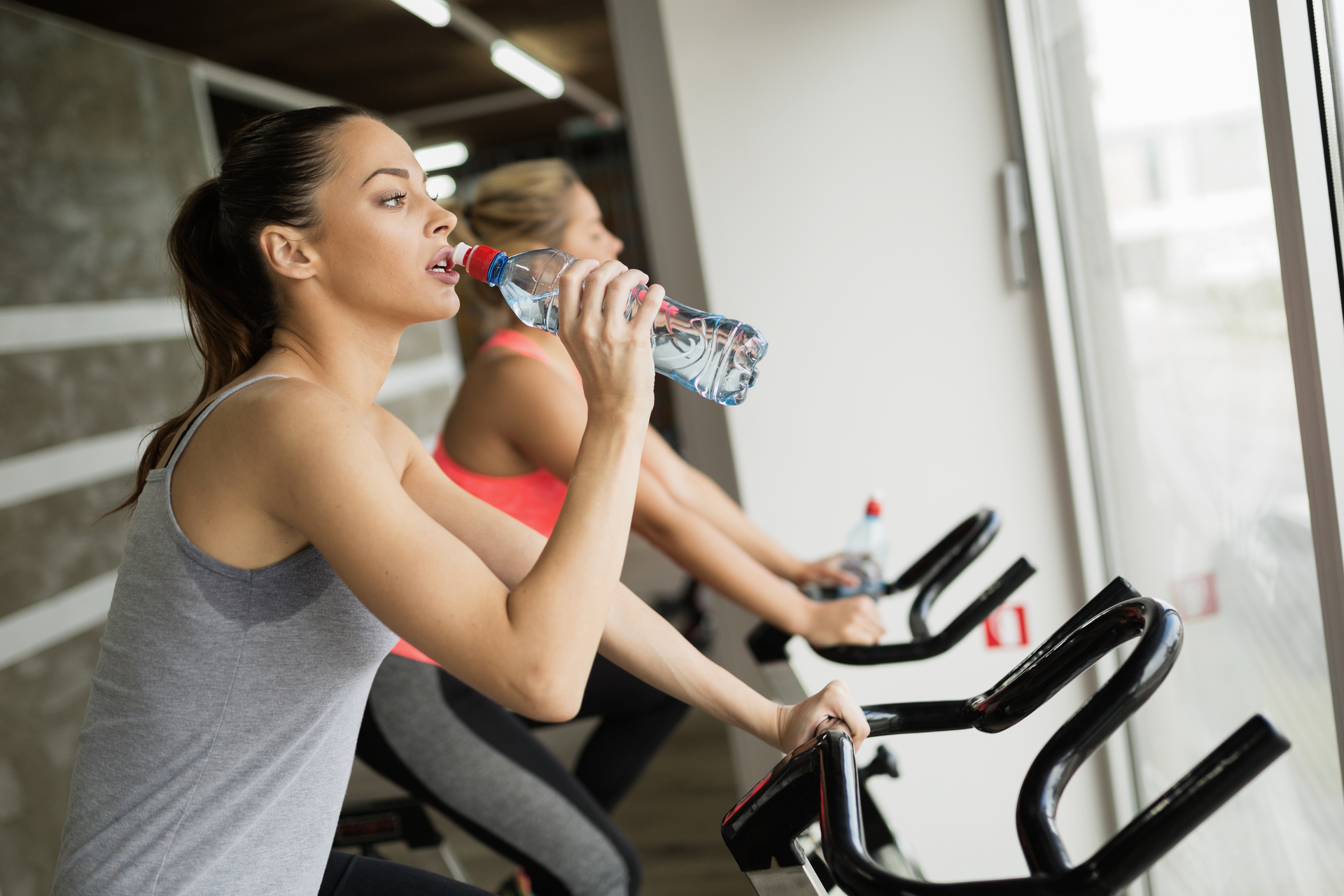
Trust Thirst—But Train It. Your body's thirst mechanism is a sophisticated feedback system, and, for most healthy people, it reliably signals when to drink. Still, modern routines can mute its cues. Long meetings, intense workouts, travel, or deep concentration may delay your response, leaving you subtly behind. You can support your natural regulation by creating gentle habits: keep water accessible, take micro-sips between tasks, and drink a little before long efforts or long conversations. Tune into early signs like a dry mouth, slight fatigue, or flagging focus, which can precede strong thirst. Remember that thirst varies with salt intake, temperature, and breathing rate; mouth breathing, for instance, can increase moisture loss. Some groups—such as highly distracted athletes or those with certain health conditions—may need more intentional reminders. The goal isn't force-drinking; it's consistent mindful hydration, allowing your body's signals to lead while your routines make those signals easier to notice and honor.
Coffee, Tea, and Hydration. The idea that coffee and tea inevitably dehydrate is a persistent myth. While caffeine has a mild diuretic effect, the fluids in these drinks usually result in a net hydration gain, especially for regular consumers. Black coffee, green tea, herbal infusions, and even lightly carbonated water can all contribute to daily fluid intake. What matters is the whole picture: sweetness, additives, and your personal sensitivity to caffeine. Sugary beverages add extra calories and may not be ideal for routine thirst, while unsweetened options offer cleaner hydration. Milk and plant milks also hydrate and bring electrolytes and macronutrients that can support recovery after activity. Alcohol, by contrast, promotes fluid loss and benefits from intentional water and electrolyte pairing. Select beverages that fit your taste, tolerance, and schedule, and rotate them with plain water. The consistent theme is variety and balance, not beverage absolutism, so you can maintain hydration without giving up the drinks you enjoy.
Urine Color: Useful, Not Absolute. People often treat urine color as a verdict on hydration, but it's better viewed as contextual biofeedback. A pale straw to light yellow color commonly aligns with adequate hydration, while deeper yellow can suggest you need fluids or water-rich foods. Yet color shifts for many reasons beyond hydration: vitamins (especially B-complex), certain foods like beets or asparagus, and some medications can brighten, darken, or alter hue and odor. Morning urine is frequently darker after overnight concentration, which is normal. Think in patterns, not snapshots: consider color alongside frequency, volume, sweat loss, and how you feel. If you're urinating very frequently and it's consistently clear, you might be overdoing fluids; if you rarely go and it's consistently dark, you may need more. Pair these observations with your thirst, activity, and environment to make level-headed adjustments rather than reacting to a single bathroom check.
Electrolytes Are Not Just for Athletes. Sodium, potassium, magnesium, and chloride regulate nerve signaling, muscle contraction, and fluid balance. You lose electrolytes through sweat, breath, and urine, so in hot weather, during long workouts, or when ill with fluid loss, adding electrolytes can improve absorption and keep hydration in balance. For everyday desk work and light movement, plain water plus balanced meals usually suffice. But when sweat rates are high, pairing fluids with a bit of salt and potassium can help maintain osmolarity, reducing the risk of cramping or lightheadedness. You don't always need specialty drinks; salty broths, a pinch of salt with water, or foods like bananas, potatoes, yogurt, nuts, and legumes can replenish. Avoid turning high-sugar sports drinks into a default beverage; they have a place during prolonged exertion but are not mandatory for casual sipping. Think needs-based, not trend-based: match your electrolytes to your sweat and effort.
Yes, You Can Overdo Water. Hydration is about balance, not endless refills. Excessive water in a short time can dilute blood sodium, a condition known as hyponatremia, which may present with nausea, headache, confusion, or, in severe cases, serious complications. The fix is not to fear water but to respect rate and context. Spread intake through the day, drink to thirst, and consider electrolytes when sweating heavily or exercising for long durations. Persistent, crystal-clear urine, frequent nighttime bathroom trips, bloating, or a sloshy feeling can be signs you're overshooting. During endurance events or hot conditions, alternate water with lightly salted fluids or small salty snacks to maintain fluid balance. People with specific medical conditions or on certain medications should follow personalized guidance. For most, the sweet spot is steady, mindful drinking that supports energy, cognition, and comfort—hydration that serves your life, not a race to the biggest bottle.