How to Choose the Right Electric Motor for Your DIY Project
Learn how to pick the perfect electric motor for your DIY build—match torque, speed, voltage, control, and mounting for reliable results.
Defining Your Requirements
Before choosing an electric motor, define the job with clarity. Start with the load: what must be moved, lifted, rotated, or positioned, and how much torque will that require at the shaft? Determine the speed range, including start-up behavior and any need for quick acceleration or deceleration. Clarify the duty cycle: continuous, intermittent, or short bursts, since this affects thermal limits and efficiency. Note size and weight constraints, mounting space, and acceptable noise or vibration. Identify the power source available, such as low-voltage DC from batteries or mains AC, and consider portability. Understand the environment: dust, moisture, temperature, and exposure to impacts influence IP ratings and cooling. Decide whether you need precise position control, smooth speed regulation, or simple on-off operation. Finally, set priorities for cost, reliability, serviceability, and safety. A crisp requirement brief translates vague goals into actionable motor specifications and narrows the field to the most suitable motors for your DIY project.
Comparing Common Motor Types
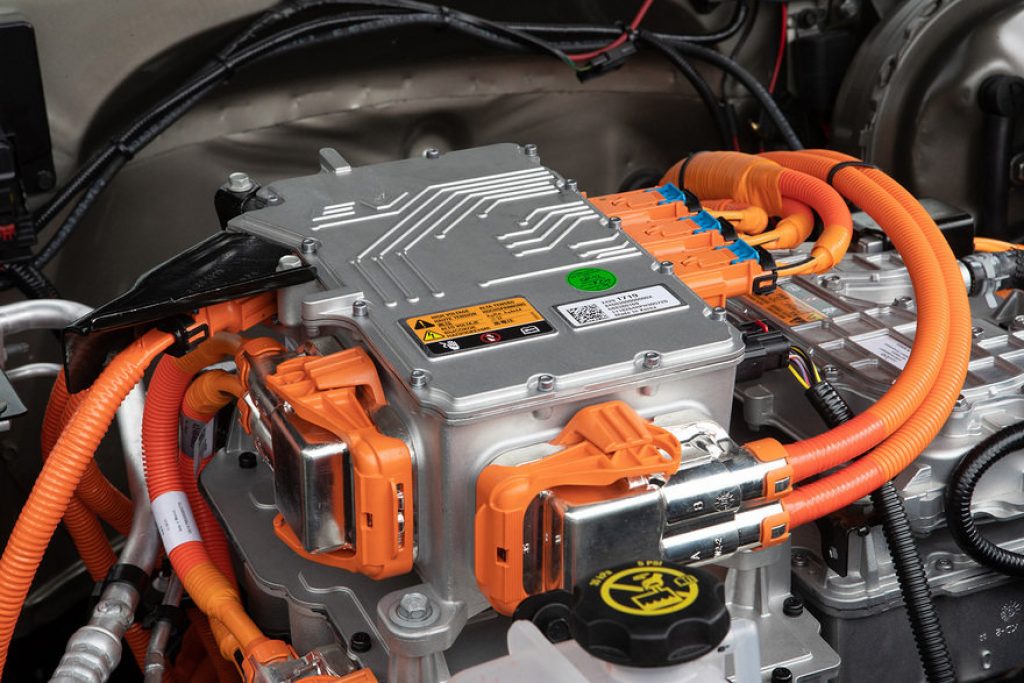
With requirements in hand, compare motor types to match behavior with needs. Brushed DC motors are simple, inexpensive, and easy to drive with an H-bridge, ideal for basic variable speed tasks, though brushes wear and generate electrical noise. Brushless DC (BLDC) motors deliver high efficiency, strong power density, and low maintenance, but require an ESC or dedicated controller. Stepper motors offer open-loop positioning, high holding torque, and fine incremental movement, making them great for CNC, 3D printers, and indexing, though they can lose steps under heavy load. AC induction motors are rugged and reliable for constant-speed applications, especially when paired with a VFD for adjustable speed. Synchronous and servo motors provide excellent precision, torque control, and responsiveness, at higher complexity and cost. Consider gearmotors for increased torque at lower speeds without large external gear trains. By aligning capabilities with your functional goals, you can shortlist motor families that naturally fit your constraints.
Sizing for Torque, Speed, and Power
Proper sizing prevents stalling, overheating, and premature wear. Estimate required torque by analyzing the load and its mechanical advantage: consider radius, friction, and any belts, screws, or gear stages. Compute required speed at the output, then decide whether to use a gear reduction to trade speed for torque. Remember that power equals torque times speed, so achieving both high torque and high speed demands more power. Review motor torque-speed curves, stall torque, and no-load speed to ensure the operating point falls comfortably within the continuous region. Apply a safety margin to account for unknowns like misalignment, variable load, or temperature. Factor efficiency losses from gears, bearings, and couplings into your calculations. For DC motors, understand Kv (speed constant) and Kt (torque constant), and how back-EMF affects achievable speed under load. Aim for a motor that runs near its peak efficiency at your typical operating point, with thermal headroom to stay cool.
Matching Voltage, Current, and Control Electronics
Once the motor is sized, match the electrical system. Choose a voltage that aligns with your supply and desired speed, balancing current draw and conductor size. Verify the continuous and peak current ratings of the motor and the driver or controller. For DC motors, select an H-bridge with adequate current, robust PWM control, and flyback protection. BLDC motors need a compatible ESC with the right pole count and sensor support if you require smooth low-speed control. AC motors paired with a VFD provide adjustable speed and soft-start capability. Size your power supply or battery for peak demand plus margin, considering voltage sag, BMS limits, and thermal behavior. Use proper wire gauge, connectors, and fuses or circuit breakers. Implement soft-start, current limiting, and overtemperature protection. Good control electronics not only unlock performance but also protect the motor and your entire motors system.
Mechanical Integration, Cooling, and Safety
Mechanical details can make or break a build. Confirm mounting patterns, hole spacing, and shaft geometry, whether round, D-shaft, or keyed. Choose the right coupling—clamp, jaw, or timing pulley—to accommodate misalignment and reduce vibration. Ensure proper bearing support on driven loads to avoid side loading the motor. Plan for cooling: natural airflow, heatsinks, or fans, and avoid trapping heat in enclosures. Evaluate IP ratings when dust or moisture is present, and consider conformal coating or gaskets. Manage noise and EMI/EMC with twisted pairs, shielding, and solid grounding. Include strain relief, tidy cable management, and guards around rotating parts. Keep clear service access for inspection and replacements. Add emergency stop, interlocks, and clear labeling where appropriate. Thoughtful integration prevents premature failure, keeps temperatures in check, and ensures your motors operate safely and quietly under real-world conditions.
Testing, Tuning, and Long-Term Reliability
Validate your choice with measurement and iteration. Use a tachometer or encoder for speed, a clamp meter for current, and a thermometer or sensor for temperature. Log data while ramping through expected loads to confirm torque, efficiency, and thermal behavior. Tune PID or closed-loop controllers for stability and responsiveness, adjusting PWM, acceleration limits, and current caps to avoid oscillation. If you see overheating or excessive draw, revisit gearing, duty cycle, or cooling. Document wiring, controller settings, and part numbers for future service. Plan maintenance: inspect brushes on DC motors, listen for bearing noise, and check couplings and fasteners for loosening. Keep spare drivers, fuses, and critical connectors on hand. Clear documentation and disciplined testing transform a working prototype into a reliable, repeatable build, ensuring your motors deliver consistent performance throughout the life of your DIY project.