How to Build an Emergency Fund Without Feeling Deprived
Build a strong safety net without sacrifice: small automations, painless cutbacks, and smart banking habits that grow your emergency fund fast.
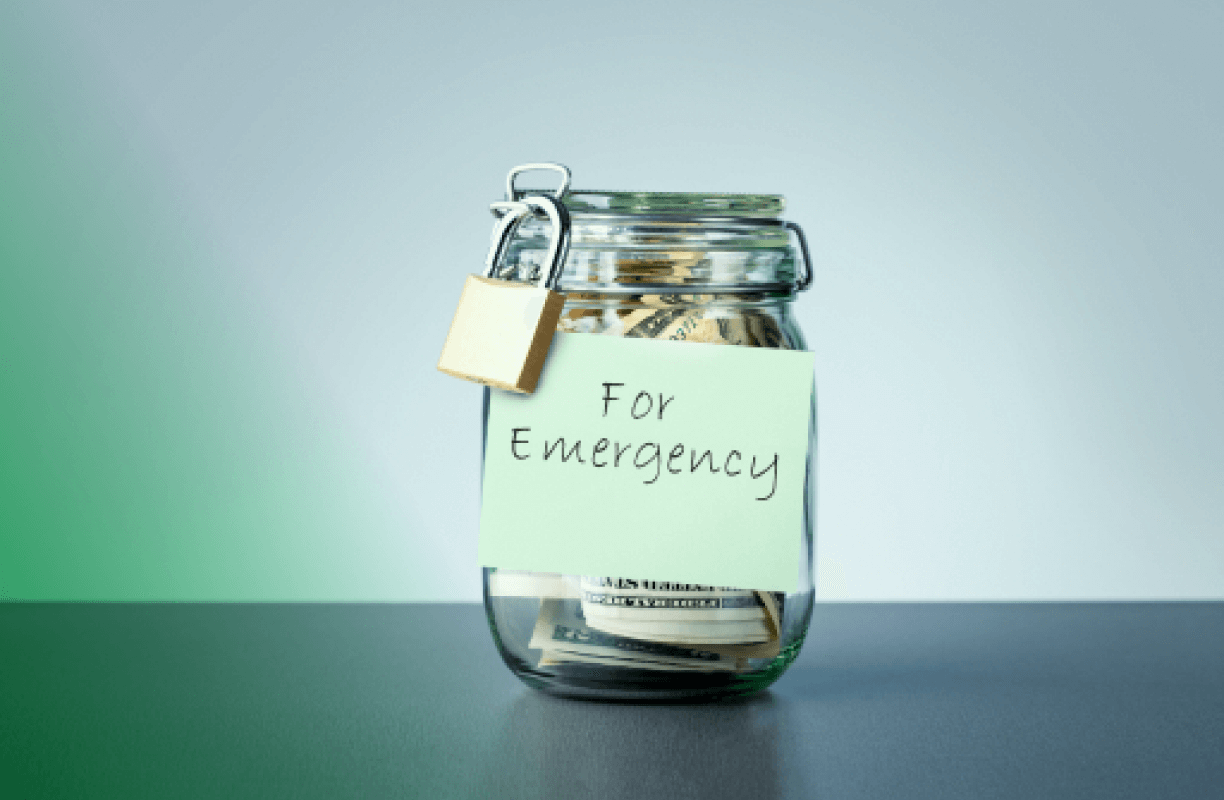
Start With a Clear Purpose — Building an emergency fund without feeling deprived begins with a reason that matters to you. Think of it as a cushion that buys peace of mind, protects your goals, and keeps small surprises from becoming full-blown crises. Define what counts as a true emergency for you: sudden loss of income, urgent medical bills, essential home or car repairs. Name your account something motivating, like 'Freedom Buffer' or 'Sleep-At-Night Fund,' and visualize what it protects. Break the goal into micro-milestones so progress feels attainable: a first threshold, a next layer, and so on. Track wins visually with a simple progress bar or jar where every note represents a step forward. Progress compounds when you focus on what you can do this week, not the perfect number. The point is not perfection but resilience. When your purpose is clear, every deposit feels like a choice that supports your life, not a restriction that shrinks it.
Automate and Pay Yourself First — The easiest way to save without willpower battles is automation. Set up a scheduled transfer that moves money to your emergency fund the moment income arrives, turning saving into your default. Pay yourself first by splitting direct deposits, sending a set percentage to savings before it hits your spending account. Add small round-ups from purchases or create a weekly micro-transfer; these painless drips accumulate. Use step-up savings, increasing contributions by a tiny amount each month or whenever you get a raise, so the habit grows without shock. Treat the transfer like a nonnegotiable bill—because future you is a real obligation. If your cash flow is uneven, automate a minimum and top up on strong weeks. Keep the setup simple: fewer decisions mean fewer chances to talk yourself out of it. Automation turns your intention into action, ensuring consistency even on busy days when motivation is low.
Trim Waste, Keep the Joy — Feeling deprived often comes from cutting the things you love. Instead, practice value-based budgeting: keep what lights you up, trim what doesn't. Audit recurring charges you barely use, downgrade plans you've outgrown, and renegotiate bills for quick wins. Swap, don't slash: cook one extra home meal a week but keep your favorite treat; switch a ride-hailing trip for a planned transit ride; batch errands to reduce fuel and impulse stops. Monitor leaks like convenience fees and unplanned delivery charges—redirect those savings to your fund. Build guardrails: a modest fun budget, pre-decided splurges, and limits that protect your goals. Plan indulgences intentionally so treats feel earned, not guilty. Small, repeatable tweaks—like brewing coffee at home most days while enjoying a weekly cafe ritual—produce steady savings without joyless living. Your goal is a spending rhythm that respects your happiness and your financial safety, so the emergency fund grows while your life still feels rich.
Turn Saving Into a Game — Motivation thrives on gamification. Create micro-milestones and celebrate each checkpoint: every set amount saved equals a badge, a sticker, or a simple victory note. Use a visible progress bar on paper or in a tracker app to make momentum tangible. Try short no-spend sprints for one or two days focused on pantry meals and free entertainment, then send the difference to your fund. Design habit stacks: after morning coffee, skim a small amount to savings; after your weekly review, round up transactions and transfer the total. Set playful challenges with a friend or partner for social accountability. Attach rewards that don't erase your progress—think an at-home spa night, a scenic walk, or a favorite podcast with a cozy beverage. When saving feels like a game, you look forward to the next move. The process becomes engaging, not punishing, and your consistency climbs without relying on sheer discipline.
Make It Frictionless and Out of Sight — Protect your momentum with smart environment design. Keep your emergency fund in a separate, high-liquidity account you can reach quickly but don't see every day. Rename it so it signals purpose, and consider hiding it from your main balance view. Add a gentle speed bump: before withdrawing, follow a 24-hour pause and a quick emergency checklist—is this unexpected, necessary, and urgent? If yes, use the fund confidently; if not, plan it as a regular expense. Add light friction to non-emergency transfers, such as a note field explaining the reason, to discourage impulse raids. Meanwhile, remove friction from saving by keeping transfers instant and pre-scheduled. Pair your emergency fund with a separate sinking fund for predictable costs (maintenance, travel, gifts) so you don't mislabel planned expenses as emergencies. Out-of-sight, purpose-labeled, and rules-based money is easier to keep intact—and there when you truly need it.
Add Gentle Income Boosts — Increasing your cash inflow accelerates progress without heavy sacrifice. Channel windfalls—refunds, rebates, gifts, bonuses—straight into your emergency fund using a pre-set rule, such as saving most while keeping a small slice for a treat. Sell unused items to turn clutter into liquidity. Consider low-stress micro-gigs aligned with your skills or interests, like a short-term project, tutoring, or seasonal help that doesn't drain your energy. If you receive a raise or finish paying off a bill, redirect a portion of that freed-up cash to savings using automatic escalation. Capture small reimbursements and cash-back earnings with a one-tap transfer. Choose actions that feel light and sustainable, not exhausting. The mindset shift is key: found money becomes future protection, not found permission to spend. When extra income is handled by rule instead of impulse, your emergency fund climbs quietly in the background while your daily lifestyle remains comfortably intact.
Sustain the Habit for the Long Run — Think in tiers: start with a modest buffer, then build to a deeper cushion as your capacity grows. After any withdrawal, use a simple refill ritual—redirect a little extra for a few weeks—to rebuild confidence quickly. Review your setup periodically: adjust automation, tighten leaks, and raise or lower contributions as life changes. Use sinking funds for predictable expenses so your emergency savings stay pure. Keep a balanced budget that includes joy, because a plan that ignores happiness won't last. Practice self-compassion during setbacks; consistency over time beats occasional perfection. Revisit your why, update your milestones, and celebrate resilience, not just numbers. Track both dollars saved and stress avoided—the quiet mornings, calm repairs, and uninterrupted goals. The identity shift is the real win: you are someone who protects your future self. With clarity, small steps, and systems, your emergency fund grows—and you never feel deprived getting there.