Hidden Coastlines: Discover Secluded Beaches Around the World
Escape the crowds with our guide to hidden coastlines: secluded coves, sugar-white sands, and clear waters from Albania to Tasmania for a tranquil escape.
Veiled Shorelines: How to Find Them
Slip beyond the crowded promenades and you will discover a world of secluded beaches where tide, wind, and wilderness dictate the rhythm. Start by studying topographic maps, satellite imagery, and ferry schedules to identify off-the-beaten-path coves, barrier spits, and pocket inlets tucked behind headlands. Travel during quiet weekdays, arrive at dawn, and keep your plans flexible as tides, swell, and coastal access can shift without notice. Pack light but smart: reef-safe sunscreen, a compact shade, water filtration, and grippy footwear for scrambling over rocky approaches. When trails fade, look for natural signposts like wind-sculpted dunes and clusters of driftwood that hint at sheltered arcs of sand. Keep a respectful distance from nesting sites and delicate dune grasses, and practice Leave No Trace from the moment you step off the main path. The payoff is profound: glassy shallows, uninterrupted horizon lines, and the simple luxury of space to float, breathe, and listen to the coast exhale.
Mediterranean Hideaways
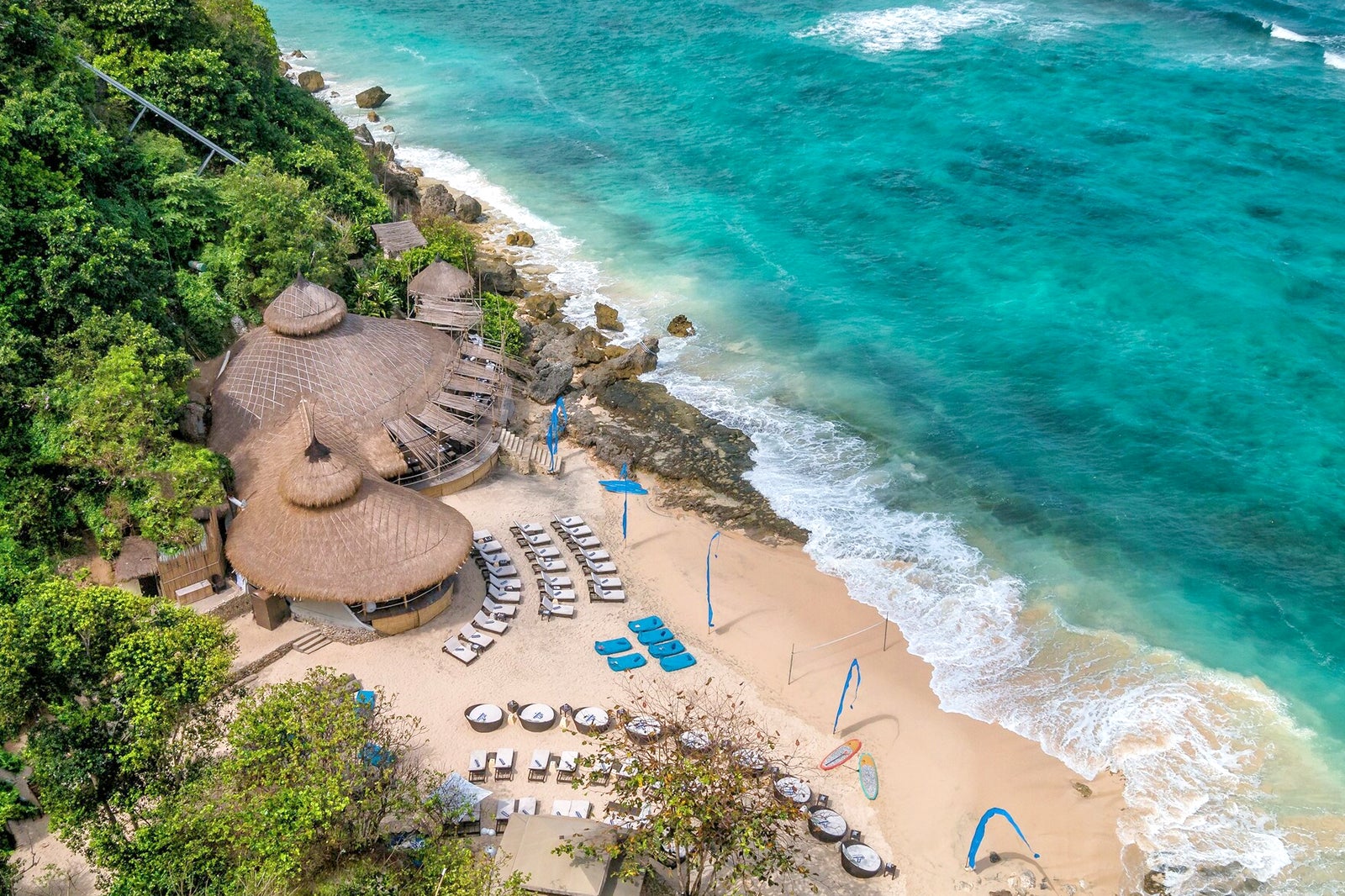
The Mediterranean still harbors a mosaic of hidden coves beyond familiar resorts. Seek pebble inlets at the feet of limestone cliffs, where pale rock amplifies the sea's electric blues and the only soundtrack is cicadas and low surf. Explore smaller islets accessible by local boats, or follow goat paths to narrow stairways etched into cliff faces that descend to tiny landings. Start early to claim a quiet patch and to read the wind patterns that shape afternoon chop. Bring a mask for effortless snorkeling over seagrass meadows, where shafts of light flicker on silvery fish. In regions with historic fishing culture, respect working slipways and keep clear of nets drying on sun-bleached stones. Pack simple picnics, carry back every crumb, and avoid glass that can chip on rock shelves. The magic lies in restraint: speak softly, swim slowly, and let the sense of place reveal itself through salt, stone, and the hush between waves.
Pacific and Indian Ocean Retreats
Across the Pacific and Indian Ocean, remote atolls, volcanic arcs, and windward bays offer solitude shaped by reef and reef pass. Focus on islands with minimal infrastructure where lagoon systems create calm nurseries for corals and juveniles, and outer walls serve up crystalline drop-offs for immersive free-diving. Mind the swell forecasts and currents funneled by reef gaps; on some shores, entry and exit are safest during slack tide. Boat or kayak access unlocks pocket beaches ringed by pandanus and ironwood, but you should step lightly—these coasts often hide fragile turtle nests and delicate micro-ecosystems. Hire local guides when possible; their traditional knowledge of channels, weather, and cultural protocols adds depth and safety to each landing. Filter water, use reef-friendly products, and keep bright lights off at night to avoid disorienting wildlife. Here, the luxury is elemental: warm trade winds, star-laden skies, and the quiet infinity between reef crest and horizon.
Atlantic Secrets
The Atlantic holds wild, wind-brushed hideaways where cliffs fracture into stair-step ledges and tide pools mirror the sky. Search for crescent coves shadowed by headlands on islands and outer peninsulas, where coastal trails thread through heather or laurel toward tiny sand pockets and kelp-fringed shelves. Watch for tidal range signage and learn to read wrack lines; safe timing transforms a tricky boulder hop into an easy beach stroll. Bring layers—the Atlantic can shift from sun-sparked calm to mackerel skies and brisk gusts—and pack a thermos for long, contemplative hours. Explore pools for anemones and periwinkles, but handle nothing and replace any lifted stones as found. Photographers should note the golden reflections that ripple across wet rock at low sun, when textures deepen and surf trails into feathered lace. Your reward is a rugged serenity: salt-laced air, wheeling seabirds, and a horizon that feels both steady and endlessly new.
Traveling Light, Leaving Lightly
Seclusion is a privilege that thrives on responsible travel. Before setting out, check local regulations, marine reserves, and seasonal wildlife closures. Share only broad guidance rather than geotags to help fragile places stay wild. Pack a small waste kit—reusable containers, a sealable bag for litter, and a microfiber towel—and favor non-plastic solutions. Wear neutral-toned swimwear and gear to blend into the landscape, lowering your visual impact for wildlife and fellow explorers. Practice quiet camping where permitted, keeping fires off the sand and well above the high-tide line, or better yet, rely on stoves and lanterns. Learn basic ocean safety: rip current recognition, entry and exit strategies over reef, and conservative decisions when swell climbs. Greet locals, ask permission when crossing private paths, and support small vendors who steward these coasts. When you leave, the ideal footprint is ephemeral—pressed briefly into sand, then erased by a generous, incoming tide.