Gut Health Basics: Nourish Your Microbiome
Learn how diet, sleep, stress, and movement shape your gut microbiome. Discover fiber-rich foods, probiotics, and daily habits to build resilient digestion.
Understanding Your Microbiome
Your gut is home to a bustling community of microbes known as the microbiome, a rich ecosystem of bacteria, fungi, and other microorganisms that live primarily in your large intestine. Far from being freeloaders, these tiny partners help digest tough plant fibers, craft valuable short-chain fatty acids, and train your immune system to respond wisely. A balanced gut community supports nutrient absorption, maintains a healthy intestinal barrier, and keeps inflammatory signals in check. Diversity is a hallmark of resilience, so the more variety in beneficial species you host, the more adaptable your gut tends to be. Your microbiome shifts with your diet, stress levels, sleep quality, and environment, but it also responds to consistent care. Think of it as a garden: what you plant, water, and prune determines what thrives. By feeding this inner world with the right inputs, you can cultivate microbial diversity, metabolic harmony, and a foundation for long-term well-being.
Why Gut Health Matters
Your digestive tract is more than a food pipeline; it is a central hub for immunity, metabolism, and even mood. The gut communicates with your brain through neural, hormonal, and immune pathways often called the gut-brain axis. When gut microbes ferment fibers, they produce short-chain fatty acids that help nourish colon cells, support a strong mucosal barrier, and signal anti-inflammatory pathways. A well-fed microbiome can help regulate blood sugar, influence satiety hormones, and shape food cravings. Conversely, a disrupted microbial community may contribute to bloating, irregularity, skin flare-ups, and low energy. Many everyday symptoms trace back to how effectively you digest, absorb, and eliminate. Healthy gut function also supports the body's detoxification processes by prioritizing regular bowel movements and limiting the recirculation of waste products. When your gut is thriving, you often notice steadier energy, clearer thinking, and more comfortable digestion, creating a ripple effect that enhances overall resilience and daily performance.
Feed It With Fiber and Plants
The most reliable way to nourish your microbiome is a plant-forward plate rich in fiber. Aim for variety from vegetables, fruits, whole grains, legumes, nuts, seeds, and herbs, since different fibers feed different microbes and promote diversity. Soluble fibers in oats, beans, and apples form a gel that can support healthy cholesterol and blood sugar, while insoluble fibers in leafy greens and bran add bulk to keep things moving. Naturally prebiotic foods, including onions, garlic, leeks, asparagus, and bananas, provide fuel for beneficial bacteria. Colorful plants also deliver polyphenols—bioactive compounds in berries, cocoa, olives, and tea—that microbes transform into protective metabolites. If you are ramping up fiber, increase gradually and prioritize hydration to reduce discomfort as your microbes adjust. Building meals around plants does not require perfection; small upgrades like adding a handful of beans, swapping refined grains for whole grains, or tossing extra greens into a soup can steadily reshape your microbial neighborhood.
Fermented Foods and Prebiotic Power
Fermented foods introduce living cultures and beneficial byproducts that can complement a fiber-rich diet. Options like yogurt, kefir, sauerkraut, kimchi, miso, and tempeh supply live or once-live microbes and organic acids that can support a hospitable gut environment. While not all fermented foods contain active cultures by the time they reach your plate, many still offer compounds that aid digestion and flavor without heavy processing. Choose versions with minimal added sugars and simple ingredients for the best impact. Pair fermented foods with prebiotics—the fibers that feed microbes—to create a synbiotic effect; think kefir over oats with ground flax, or tempeh tossed into a fiber-packed grain bowl. Include resistant starch from cooled potatoes, rice, legumes, or slightly green bananas to further fuel beneficial bacteria. Start with small portions and observe how you feel. If your gut is sensitive, gentle introductions and steady consistency usually work better than large, sudden changes.
Lifestyle Habits That Shape Your Gut
Your daily rhythm profoundly influences microbial balance. Consistent, restorative sleep supports circadian cues that help regulate digestion and appetite signals. Chronic stress can alter gut motility, increase intestinal permeability, and shift microbial populations, so practices like breathwork, meditation, nature walks, or journaling can be surprisingly gut-friendly. Regular movement—from strength training to gentle stretching—stimulates bowel motility and may enhance microbial diversity. Consider moderating alcohol and ultra-processed foods, including certain emulsifiers and artificial sweeteners, which can disrupt the gut environment for some people. Use antibiotics only when medically necessary and follow professional guidance; they can be lifesaving yet may temporarily reduce microbial diversity. Support your system with hydration, mindful eating, and unhurried meals, which improve digestive enzyme response and reduce swallowed air. A stable eating schedule can help your gut's internal clock, while a flexible mindset prevents unnecessary stress. Small, sustainable habits often create the most durable microbiome benefits.
Smart Supplement Strategy
Whole foods lead, but strategic supplements can play a supporting role. Probiotics may help in targeted situations, yet effects are strain-specific, dose-dependent, and often temporary unless paired with diet changes. Look for transparent labels detailing strain names, colony counts, and storage needs, and track your personal response. Prebiotic powders like inulin or partially hydrolyzed guar gum can boost fiber intake when food alone falls short; start low and increase slowly to minimize gas or bloating. Psyllium is a versatile fiber that supports regularity and may improve lipid markers. Digestive enzymes can occasionally help with heavy meals but are not a substitute for mindful chewing and balanced plates. If you have ongoing symptoms—unexplained weight shifts, persistent pain, bleeding, or significant changes in bowel habits—seek personalized guidance from a qualified professional. Avoid restrictive protocols without supervision; protecting microbial diversity and maintaining adequate nutrition matters as much as symptom relief.
A Practical Day To Nourish Your Microbiome
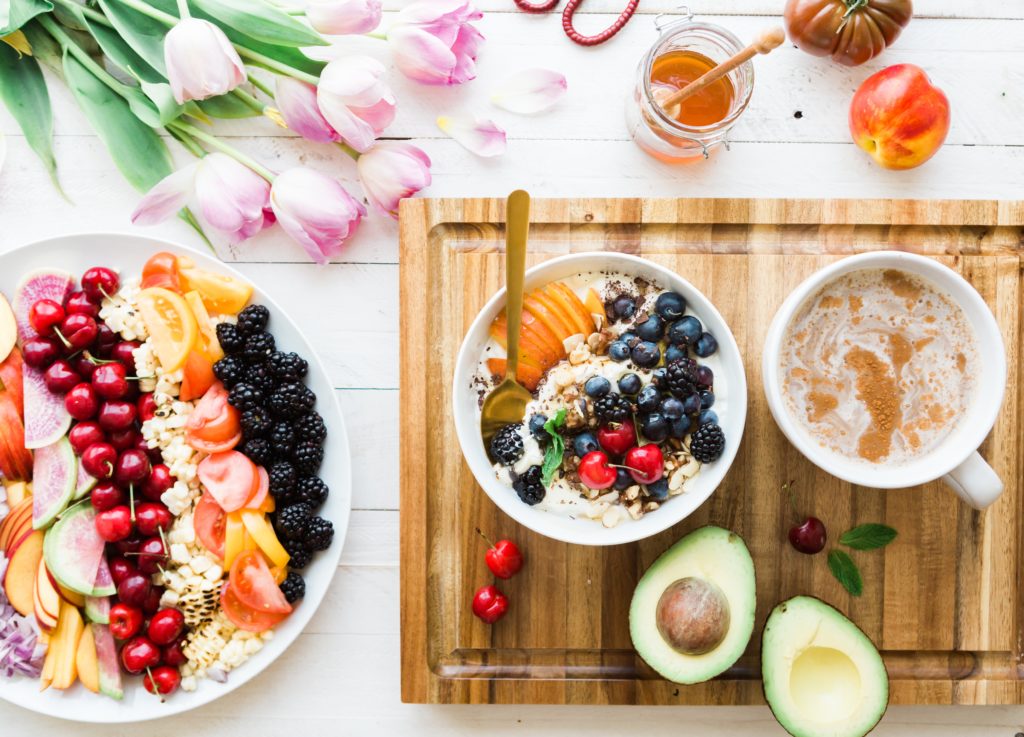
Start the morning with a fiber-forward bowl: warm oats topped with chia or flax, mixed berries for polyphenols, and a splash of kefir or unsweetened yogurt for live cultures. At lunch, build a colorful grain bowl with quinoa or brown rice, a hearty serving of legumes, leafy greens, roasted vegetables, and a drizzle of extra-virgin olive oil; add a spoonful of sauerkraut for tangy complexity. Keep snacks simple and satisfying—an apple with nut butter, a handful of walnuts, or carrot sticks with hummus—all rich in fiber and friendly fats. For dinner, consider a lentil and vegetable stew with herbs and spices like garlic, turmeric, and ginger, alongside a crisp salad and a portion of fermented vegetables. Sip water or herbal tea throughout the day, and take a relaxed walk after meals to support motility. Rotate your produce weekly to encourage diversity, and remember that steady, enjoyable routines beat strict, short-lived overhauls.