Gaming Accessories That Actually Improve Performance
Upgrade with precision mice, 8K polling, optical switches, tuned mouse pads, and low-latency audio to cut input lag, boost accuracy, and win longer.
Precision Gaming Mice and Sensors
A well-tuned gaming mouse is one of the few accessories that directly translates into better aim, faster flicks, and more consistent tracking. Look for sensor accuracy, low latency, and a high, stable polling rate that ensures each micro-adjustment is reflected on-screen without delay. Shape and ergonomics matter as much as specs; a mouse that fits your hand and grip style reduces fatigue, steadies your wrist, and improves repeatability over long sessions. Lightweight designs can decrease strain during rapid movements, while durable glide feet keep motion smooth on a variety of surfaces. Precise CPI or DPI tuning, consistent lift-off distance, and onboard profiles help maintain control across different games and desktops. If you prefer wireless freedom, prioritize reliable low-latency connectivity and battery performance that does not throttle responsiveness. Combined with a consistent surface and calibrated in-game sensitivity, a performance-focused mouse becomes an extension of your intent, improving accuracy under pressure and helping you stay on target when it matters.
Mechanical Keyboards and Fast Switches
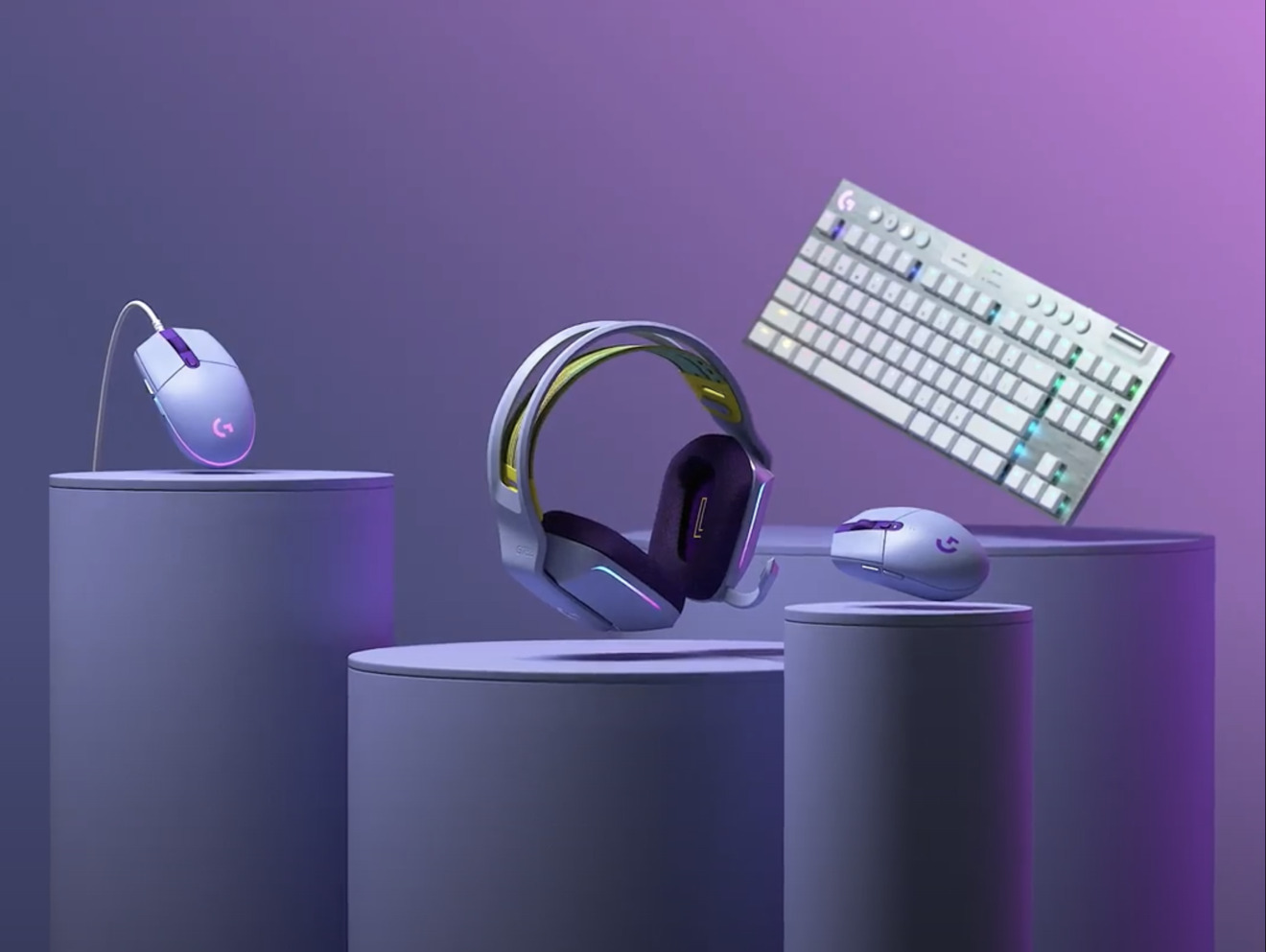
Typing feel is personal, but in competitive play the right keyboard offers faster, more reliable inputs. Mechanical switches with optimized actuation and shorter travel can register commands more quickly and reduce the chance of missed inputs. For rapid strafes, ability cycling, and repeated presses, linear switches provide smooth consistency, while tactile switches offer feedback that some players find more precise. Features like NKRO and anti-ghosting ensure complex key combinations register as intended, and modern debounce algorithms reduce unintended double presses. Stabilized large keys improve reliability for frequently used binds, while angled cases and adjustable feet support better ergonomics. Swappable or adjustable switches let you tailor force and feel per key, and durable PBT keycaps resist shine and wear for long-term clarity. Low-latency wireless or a clean wired route keeps inputs crisp. When combined with smart key mapping and muscle memory, a performance keyboard cuts input error, boosts consistency, and helps you execute commands exactly when you intend.
High-Refresh Monitors and Motion Clarity
Your eyes can only react to what your screen shows, which is why a quality display is a powerful upgrade. A high refresh rate with strong response time performance improves perceived smoothness and makes moving targets easier to track. Lower input lag helps actions feel immediate, turning quick decisions into on-screen responses without hesitation. Technologies like Adaptive Sync reduce tearing and stutter, keeping aim steady during fast camera pans. Thoughtful overdrive tuning and optional backlight strobing can further sharpen motion clarity when configured properly. Consider resolution and size carefully; clearer images help identification at range, but the added load may reduce frame rate. Balanced settings that sustain high frame delivery often outperform maxed visuals for competitive play. Proper ergonomics matter too: a height-adjustable stand and correct viewing distance reduce neck strain and improve focus. Calibrating brightness, contrast, and color temperature prevents eye fatigue, helping you maintain consistent performance through long matches and late-night sessions.
Headsets That Sharpen Positional Awareness
Hearing is a competitive advantage. A good gaming headset delivers precise positional audio, letting you track footsteps, reloads, and environmental cues with confidence. Clear imaging and a balanced soundstage help separate near-field and far-field sounds, making it easier to locate threats and anticipate plays. Closed-back designs maximize noise isolation, while open-back options can expand spatial awareness in quieter rooms. Pair your headset with smart EQ to attenuate masking frequencies and highlight critical cues without making the mix harsh. A dependable, low-distortion microphone with sidetone improves callouts and keeps comms clean so your team reacts together. Comfort matters for performance; breathable pads, light clamping force, and a stable headband reduce fatigue during long sessions. Low-latency wireless or wired connections keep timing accurate, and consistent volume leveling protects hearing while preserving detail. When tuned to your game and environment, a performance headset transforms sound into actionable information and faster, more decisive reactions.
Pro Controllers, Paddles, and Trigger Discipline
For gamepad players, controller tuning can produce immediate gains. Remappable paddles let you jump, crouch, or reload without leaving the sticks, preserving aim while executing actions. Trigger stops shorten travel for faster firing in shooters and tighter throttle control in racers. Fine-tune dead zones to reduce wasted movement and enable micro-aiming, and consider stick tension or adjustable modules for steadier control. Hall effect sensors can improve longevity and precision by eliminating physical wear that leads to drift. Textured grips and balanced weight reduce fatigue over longer sessions, while low-latency wired or premium wireless links keep inputs crisp. Vibration and haptic feedback can be dialed in so it informs rather than distracts, enhancing immersion without blurring aim. With profiles for different genres and thoughtful button layout, a pro-grade controller becomes a customized tool, enabling quicker reactions, cleaner combos, and repeatable mechanics that hold up when the pressure spikes.
Networking Tools That Tame Latency
Online performance depends on more than raw speed. Smart networking reduces latency, jitter, and packet loss, turning unpredictable matches into reliable experiences. A direct Ethernet connection typically beats Wi-Fi for stability, but if wireless is necessary, choose bands and channels with minimal interference and position access points for clear line of sight. Routers with effective QoS can prioritize gaming traffic and voice chat, helping maintain responsive inputs even when others stream or upload. Combat bufferbloat with sensible queue management to prevent spikes during heavy usage. Keep firmware updated and consider separating devices onto dedicated networks to reduce congestion. If you use mesh systems, place nodes strategically and avoid unnecessary wireless hops for your gaming device. Test ping consistency to nearby servers at different times and adjust settings accordingly. When your network is tuned as carefully as your aim, every shot, dodge, and callout arrives when it should, producing tangible, measurable improvements in match outcomes.
Ergonomics, Mousepads, and Repeatable Aiming
Mechanical skill thrives on consistency. A high-quality mousepad with predictable surface friction yields uniform glide, making micro-corrections and rapid swipes more reliable. Choose control, speed, or hybrid textures based on your genre and sensitivity, and maintain the pad to prevent buildup that alters feel. Mouse skates can restore glide, while a mouse bungee or flexible cable routing stops drag from pulling your aim off line. Ergonomic aids matter, too: a supportive chair, proper desk height, and neutral wrist support reduce strain, helping you maintain form deep into long sessions. Good posture and periodic micro-breaks sharpen focus and preserve reaction time. Consistent lighting and minimal clutter reduce visual noise, while a clean, stable monitor mount keeps your view steady. Documenting your settings and training routines locks in muscle memory. Combined, these subtle consistency upgrades convert effort into repeatable performance, making your best plays easier to reproduce match after match.