Foodie Trails: Savoring Local Street Food
From night markets to curbside grills, explore the flavors, stories, and etiquette of street food, plus tips for eating safely like a local.
Savoring the Streets: Street food is the quickest route into the soul of a destination, inviting travelers to taste living culture one sizzling bite at a time. The bustle of a cart, the clatter of ladles, and the perfume of chilies and charcoal turn sidewalks into stages where tradition meets improvisation. Choosing street food makes travel more participatory; you are not only eating, you are joining a moment shaped by neighbors, vendors, and daily rhythms. Expect bold senses at play: crackling textures, fragrant herbs, and sauces that layer heat with sweetness or tang. This is where authenticity thrives, not as a buzzword but as practiced heritage, transmitted through techniques honed across generations. Even simple items, like skewers or stuffed breads, reveal local agriculture, climate, and trade patterns. A humble stall can teach more about a city's priorities and personality than a formal dining room. Arrive hungry, unhurried, and curious, and let the street be your guide.
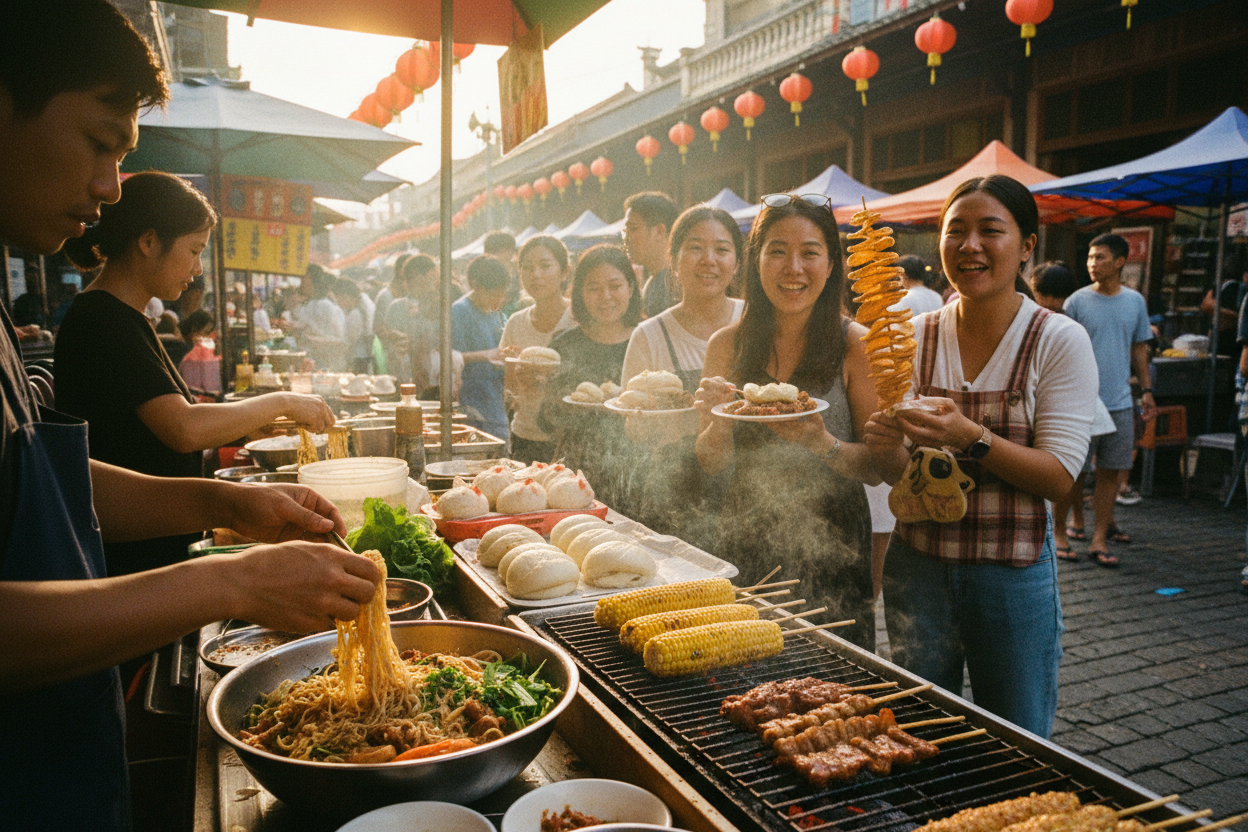
Market Smarts: Great bites begin with smart choices. Scan for stalls with steady crowds of locals and high product turnover, signs of trusted flavor and fresh ingredients. Watch how food is handled; clear separation between raw and cooked items, frequent handwashing, and visible heat sources point to good hygiene. Opt for dishes cooked to order; sizzling griddles and bubbling pots are your best safety allies. Follow the aromas, but also follow the flow: join the queue, observe etiquette, and be ready with small bills to keep things moving. If bargaining is customary, do so respectfully and accept a fair price; the goal is connection, not confrontation. Choose peak periods when freshness is highest, yet give vendors space to work. Bring a reusable napkin or cutlery to minimize waste. A small phrase in the local language, delivered with a smile, opens doors and encourages recommendations you might not spot alone.
A World on a Skewer: The joy of a global snack circuit lies in regional flavors expressed through familiar forms. Griddled pancakes become savory canvases for eggs, herbs, and pickled crunch. Noodles and rice bowls layer broths, chilies, and spices that range from floral to fiery. Stuffed breads and pastries hide molten cheese, spiced meats, or earthy legumes, while grilled skewers showcase caramelized edges and smoke-kissed tenderness. Across continents, you will taste the dialogue of textures—silky and crisp, chewy and tender—balanced by citrus, vinegar, or fresh greens. Fermented condiments provide depth, while chutneys, relishes, and salsas add flash. Plant-based options abound in many traditions, from hearty beans to marinated tofu and charred vegetables. Sweet stalls tempt with fruit shaved into snowlike piles, custard-filled treats, or caramel-slicked doughs. Let contrast lead your choices: pair something rich with something bright, something hot with something cooling. The best plate often combines balance with surprise, telling a place's story in a handful of bites.
Faces Behind the Flavors: Street food shines because of its people. Engage with vendors; their craft often spans decades of repetition, intuition, and quiet innovation. Ask what they recommend today and why—seasonal availability or early-morning harvests can shift a menu in delightful ways. Respect the line, be patient during rushes, and have your order ready when it is your turn. A word of gratitude matters, and so does paying promptly and fairly. If photography interests you, seek consent before pointing a lens; a nod or smile goes far. Language gaps are bridged by gestures, laughter, and the universal signal of savoring a bite. Listen for tips on condiments or the proper way to fold, dip, or bite; techniques passed down through families carry meaning beyond taste. Supporting stalls consistently builds community, turning a quick snack into an ongoing relationship. You will leave with more than flavor—you will carry stories, faces, and the warmth of hospitality.
Budget and Footprint: A thriving snack trail can be both wallet-friendly and planet-aware. Establish a budget and approach the market like a tasting menu: share plates to explore more, and prioritize small portions to avoid waste. Seek value where craft and freshness shine, not merely the lowest price. Reduce disposables by carrying a collapsible container, reusable cutlery, and a water bottle. Choose vendors who highlight seasonality, as local produce travels less and tastes better. Notice sustainable cues: minimal packaging, composting bins, or stalls that repurpose scraps into stocks and sauces. Walk or use public transit between clusters to stretch your legs and broaden your exploration. If leftovers happen, ask for safe packing tips and refrigerate when possible. Support vendors fairly—bargain lightly when appropriate and tip where customary. These choices lower your footprint while elevating your experience, aligning sustainability with delicious discovery and keeping beloved street traditions vibrant for future travelers.
Eating Well, Feeling Well: Delicious travel thrives when you feel your best. If you manage allergies or dietary preferences, learn a few key phrases to ask about ingredients, broths, and sauces. Clarify cooking oils, nuts, shellfish, or dairy, and watch for shared surfaces to reduce cross-contact. Favor cooked-to-order dishes; high heat reduces risk and lets you adjust spice level. If heat sneaks up on you, cool with yogurt-based sides, coconut notes, or starchy staples rather than water alone. Hydrate throughout the day, and pace your sampling so digestion keeps up with curiosity. Fresh fruit, rice porridge, or lightly seasoned skewers can act as resets between richer bites. If you are vegetarian or vegan, look for markets known for legumes, tofu, or mushroom-based specialties. When in doubt, ask for plain versions and customize with condiments. Balanced choices protect energy and ensure every stop on your trail brings comfort as well as flavor and hydration.
Capture Without Disrupting: Street scenes are photogenic, but good images start with good manners. Prioritize ethics: do not block queues, hover over grills, or interrupt service for a shot. Ask for consent with a gesture, and respect a no. Natural light flatters most foods; position yourself so steam catches the sun and textures sparkle. Compose with context—hands at work, stacked herbs, or the geometry of skewers—so your image tells a story. Keep plates intact before eating, then capture a clean bite to show crumb and filling. Credit the stall by name when appropriate and describe flavors honestly, helping others find what resonates. Avoid geotagging tiny spots that could be overwhelmed; safeguard gems while supporting the broader market. Clean up your area, return trays and skewers, and thank the vendor. Let your storytelling amplify appreciation, not intrusion, preserving the rhythm that makes street food scenes so compelling.
Design Your Foodie Trail: Build an itinerary that follows the clock and the climate of local eating. Start with breakfast carts for warm breads, porridge, and egg-filled wraps; break midday with brothy bowls or bright salads; close at a bustling night market where grills flare and sweets beckon. Map neighborhoods by clusters to reduce backtracking, and plan palate cleansers—citrus, tea, or lightly pickled sides—to keep variety interesting. Leave room for spontaneity; detours often produce the trip's most memorable bite. Note opening hours, cash needs, and transit routes to maximize timing. Pair food with nearby parks, riversides, or plazas for relaxed grazing. Travel with a small group to sample widely and share opinions. Stay aware of safety: well-lit areas, a secure bag, and a buddy after dark. Keep a tasting journal with vendor names, standout condiments, and price notes. Above all, follow curiosity—a faithful compass for unforgettable street feasts.