Festivals and Fairs: Celebrate Culture on the Road
Hit the road to savor lantern-lit nights, harvest parades, and street rhythms—festivals and fairs that turn travel into immersive cultural celebration.
Why Festivals Belong in Your Travel Plans
Few travel experiences unlock a destination as vividly as its festivals and fairs. These gatherings distill culture, community, and ritual into a shared moment, turning streets into stages and marketplaces into classrooms. Plan a journey around a celebration and you gain a living framework for your route, guiding you to kitchens that simmer with local cuisine, to workshops where craft masters shape wood, metal, or fiber, and to plazas where dancers keep time with ancestral rhythms. Arrive early to watch preparations, learn the stories behind symbols, and see how neighbors collaborate; linger after the finale to witness cleanup, gratitude rituals, and quiet conversations that travelers often miss. Festivals also create micro-itineraries: morning parades, midday tastings, twilight concerts, and midnight fires that unfold like chapters. Between events, wander side streets, visit farms, and ride regional trains that connect towns in festive orbit. With a flexible approach, each day becomes an invitation to participate thoughtfully and to celebrate the identity of a place on its own terms.
Finding the Right Celebration for Your Style
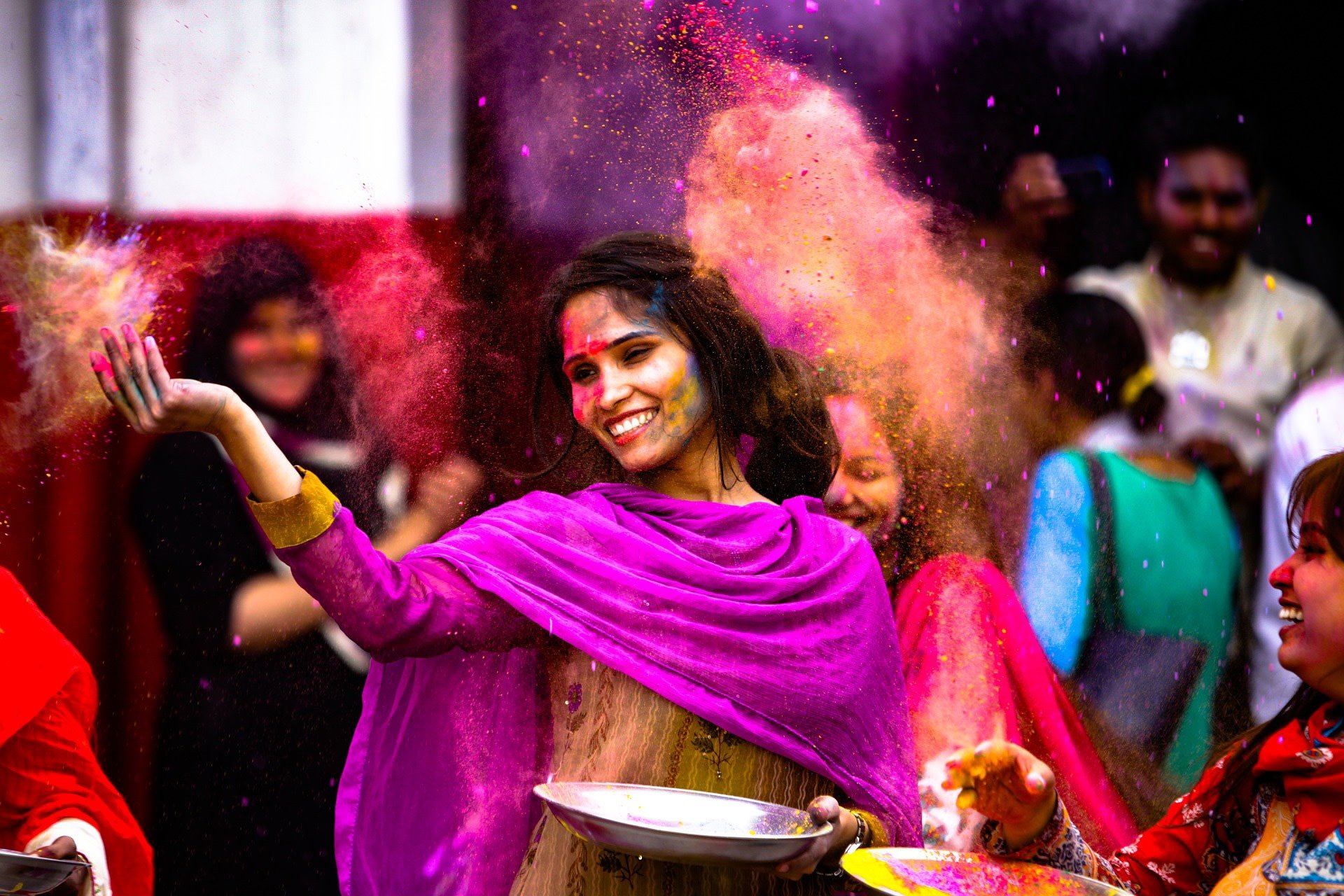
Start by matching your interests with the spirit of the event. If rhythm drives your travels, music festivals with drum lines, choirs, or experimental stages will set the tempo. Food lovers can target food fairs that highlight indigenous ingredients, seasonal harvests, and street snacks perfected over generations. Seek religious ceremonies if you value ritual and symbolism, knowing that reverence and modesty are part of the experience. For color and movement, parades and carnival traditions transform cities into open-air theaters, while rural gatherings showcase folk dance, herding skills, and agricultural pride. Consider scale: intimate village fêtes foster long conversations, whereas mega-celebrations deliver spectacle and variety. Factor in climate, accessibility, and your comfort level with crowds. Urban festivals offer transit options and diverse accommodations; countryside fairs reward you with starlit skies and slower rhythms. Above all, choose events that align with your values, whether that is sustainability, artistic innovation, or the preservation of ancestral crafts, so your itinerary feels both joyful and purposeful.
Respectful Immersion and Local Etiquette
Immersion starts with listening. Learn greetings, basic phrases, and the names of key traditions to show care for cultural etiquette. Observe where locals stand, when they clap, and how they interact with performers before joining in. Dress with sensitivity to context, covering shoulders or knees if requested, and avoid obstructing processions or ritual spaces. Practice responsible photography: ask permission, avoid flash during sacred moments, and prioritize being present over capturing every angle. When food or drink is offered as part of a ritual, follow hosts rather than rushing ahead; consider modest contributions or offerings if appropriate. Support the community by buying directly from artisans and food stalls rather than mass vendors, and pay fair prices without aggressive bargaining. Embrace sustainable travel habits aligned with leave no trace principles: carry reusable bottles, sort waste, and limit noise late at night. Small acts of respect build trust, open doors to genuine conversation, and help ensure that festivals remain vibrant expressions of identity rather than performances staged only for visitors.
Logistics, Safety, and Smart Packing
Good logistics free you to enjoy the magic. Secure entry passes early if capacity is limited, and confirm whether events are ticketed, free, or donation based. Book lodging within walking distance or along reliable public transport lines so you can move easily at peak times. Create a safety plan that includes meeting points, emergency contacts, and a way to message companions if networks slow. Bring a small daypack with reusable essentials: water bottle, utensils, napkin, and a compact tote for market finds. Add a scarf for sun or dust, a light rain layer, sunscreen, earplugs, a portable charger, and offline maps. Wear supportive shoes suited to cobblestones, fields, or dunes. Carry both cash and cards, plus a copy of identification stored separately. Practice simple crowd management: arrive early, take breaks in shaded areas, and keep valuables minimal and secure. Consider travel insurance that covers delays and medical needs. With practicalities handled, you can focus on rhythms, flavors, and conversations rather than logistics.
After the Confetti: Deepening the Journey
The celebration does not end when the drums fade. Reflect through storytelling: journal about the symbols you saw, flavors you tasted, and people who guided you. Share images with context and care, crediting artists and avoiding stereotypes or sensitive geotags that could strain local spaces. Seek continuity by booking workshops with mask painters, drum makers, weavers, or chefs to translate spectacle into skill. Choose souvenirs that sustain community support: textiles with provenance, ceramics stamped by the maker, or music recorded by local ensembles. Extend your trip with slow travel days that explore nearby villages, farms, or nature reserves, letting impressions settle. Revisit in another season to witness the same town in a different light, or pair a future itinerary with complementary events that reveal new layers of history and taste. Over time, these choices form creative itineraries that link friendships, recipes, and songs across borders. The road becomes a map of celebrations, and each return deepens your understanding of place and self.