Drones and Aerial Photography: Getting Started Safely
Learn how to pick a drone, master controls, obey local laws, and capture sharp aerial photos—while flying safely, ethically, and confidently.
Start with the fundamentals. A safe entry into drones begins with knowing the device as a piece of consumer electronics rather than just a toy. Learn what the flight controller, GPS, barometer, compass, and gimbal actually do, and read the manual to understand status lights, app warnings, and home-point behavior. Calibrate the IMU and compass when prompted, and avoid launching from reinforced concrete, cars, or crowded Wi‑Fi areas that can confuse sensors. Align and lock propellers correctly, check that the camera is free to move, and verify enough storage on the memory card. In the app, review battery health, return-to-home settings, and obstacle-detection options, then choose a wide, open practice field with clear sky and no bystanders. Keep the aircraft within visual line of sight, and start in beginner or cine mode to slow down inputs. Treat every takeoff and landing like procedures: face the wind, confirm satellites, and commit to a gentle throttle, avoiding sudden movements.
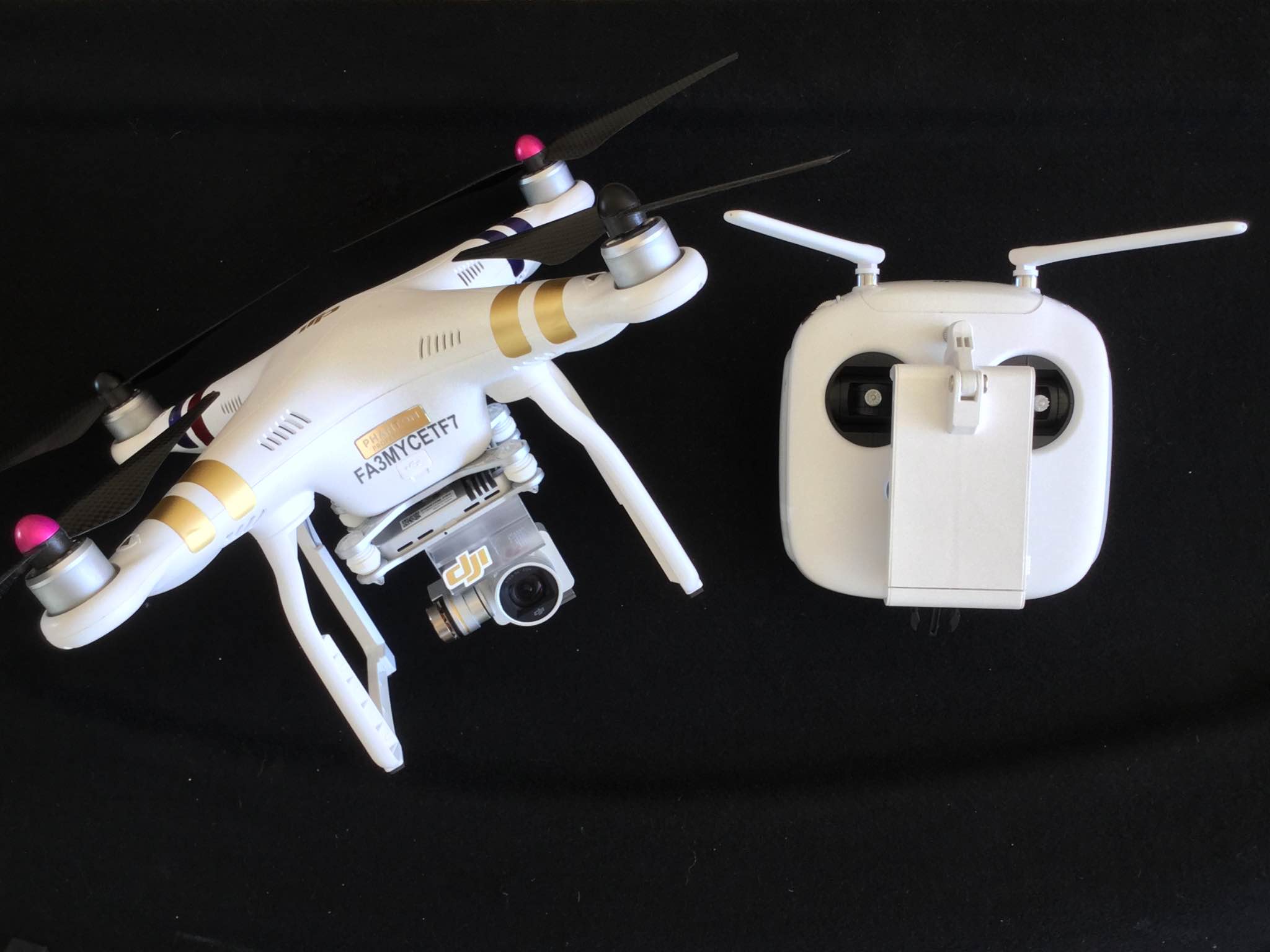
Plan every flight. Good aerial photography starts on the ground with a clear preflight checklist. Evaluate weather and wind at surface level and aloft, watch for gusts near buildings and trees, and pick a launch area with a clear vertical path. Map your route, identify obstacles, and set conservative limits for distance, altitude, and battery. Respect privacy, avoid crowds, and stay clear of sensitive locations. Confirm geofencing status, charge your controller, format the card, and carry spare propellers. Pack a folding landing pad to protect motors from dust and loose gravel. Establish roles: pilot, visual observer, and, if needed, a spotter for framing shots. If you are filming, discuss the subject's movement and blocking before liftoff. Build a buffer for battery management so you can land well before low-power alarms. Finally, decide in advance what to do if you lose signal, and make sure your return-to-home altitude safely clears everything in the area.
Practice control and failsafes. Smooth footage and safe operations come from deliberate stick discipline. Start with slow yaw, gentle forward flight, and coordinated turns that blend yaw with roll so the camera arcs gracefully. Practice figure eights, orbits, and altitude holds while keeping the aircraft oriented away from you; then repeat with the nose toward you to master reversed controls. Use cine mode for precision and learn how obstacle sensors behave; understand their blind spots and remember that vision systems can struggle in low light or with featureless surfaces. Set a sensible return-to-home altitude and test the function in an open field. Try pausing the aircraft mid-maneuver and practicing controlled descents to your pad. Keep antennas oriented correctly, stay clear of power lines and metallic structures, and watch for interference warnings in the app. If available, train in a simulator to build muscle memory without risk, and review flight logs to see how inputs affect path and speed.
Shoot with intention. The camera on a modern drone is a capable imaging system, and understanding it elevates safety and quality. For stills, shoot RAW when possible and read the histogram to avoid clipped highlights. Keep ISO low, choose shutter speed for motion style, and set or lock white balance for consistent color. ND filters help manage exposure in bright conditions, and a gentle gimbal pitch yields stable framing. Compose with leading lines, symmetry, and the rule of thirds, and use altitude for parallax rather than proximity to subjects. For panoramas, plan overlaps and hold a steady hover; for brackets, ensure the scene is clear of moving people. Avoid flying directly over crowds, roads, or wildlife to get a shot—use longer lenses, higher vantage points, or wider frames instead. Narrate your moves out loud to maintain situational awareness, and prioritize line of sight over the screen when piloting complex camera moves.
Maintain gear and fly ethically. After landing, follow a consistent post-flight routine: let batteries cool, inspect propellers for nicks, check motors for dust, and review the aircraft's event log. Store batteries at storage charge, avoid deep discharges, and rotate packs to balance cycles. Keep firmware current, but update and recalibrate only in a safe place with time to test. Back up media before leaving the site, label cards, and secure the gimbal with its guard during transport. Use a protective case, keep silica gel packs with equipment, and clean the lens and filters with proper cloths. Respect privacy by avoiding low flights near homes, maintain distance from animals, and be mindful of noise in quiet areas. When traveling, research local guidelines, plan conservative operations, and bring printed checklists. Continuous learning—community discussions, simulator practice, and reviewing your own footage—builds judgment. Safe habits protect people, gear, and the craft of aerial photography.