Cultural Immersion: Travel Like a Local Anywhere You Go
Unlock deeper connections on the road with practical tips for living, eating, and moving like a local—ethically, respectfully, and joyfully.
Adopt the Local Mindset
True cultural immersion starts with the intention to be a considerate guest rather than a passing consumer. Lead with curiosity, humility, and respect, noticing how people greet one another, the pace of conversation, and the everyday rhythms that shape life. Arrive with an open schedule so you can practice slow travel: linger in parks, watch morning routines at markets, and time your meals to local habits. Learn how residents queue, when noise is acceptable, and what clothing feels appropriate in different spaces. Ask open-ended questions and be generous with patience, especially when you do not share a language. Treat negotiations, if customary, as a polite dance rather than a contest. Minimize waste, carry a reusable bag or bottle, and support small businesses to keep your footprint light. Share stories of your own culture when invited, but listen more than you speak. This mindset unlocks spontaneous invitations, nuanced insights, and genuine cultural immersion.
Speak the Basics
A few language basics transform interactions from transactions into connections. Prioritize greetings, polite phrases, numbers, directions, and words related to food, allergies, and transportation. Focus on clear pronunciation over perfect grammar, and practice by mirroring the rhythm and tone you hear. Keep a tiny card with key phrases and addresses in the local script, and learn how to politely ask someone to speak more slowly or repeat. Use nonverbal cues thoughtfully: smile, maintain friendly eye contact where appropriate, and avoid gestures that may be misunderstood. Confirm understanding by summarizing what you heard, pointing at signs, or sketching quick maps. Offline dictionaries help in a pinch, but active listening and patience often go further. When you make mistakes, acknowledge them with humor and gratitude. Compliment the language, thank people for their help, and you will often receive extra assistance. These small efforts signal respect, opening doors to deeper conversations.
Eat and Shop Locally
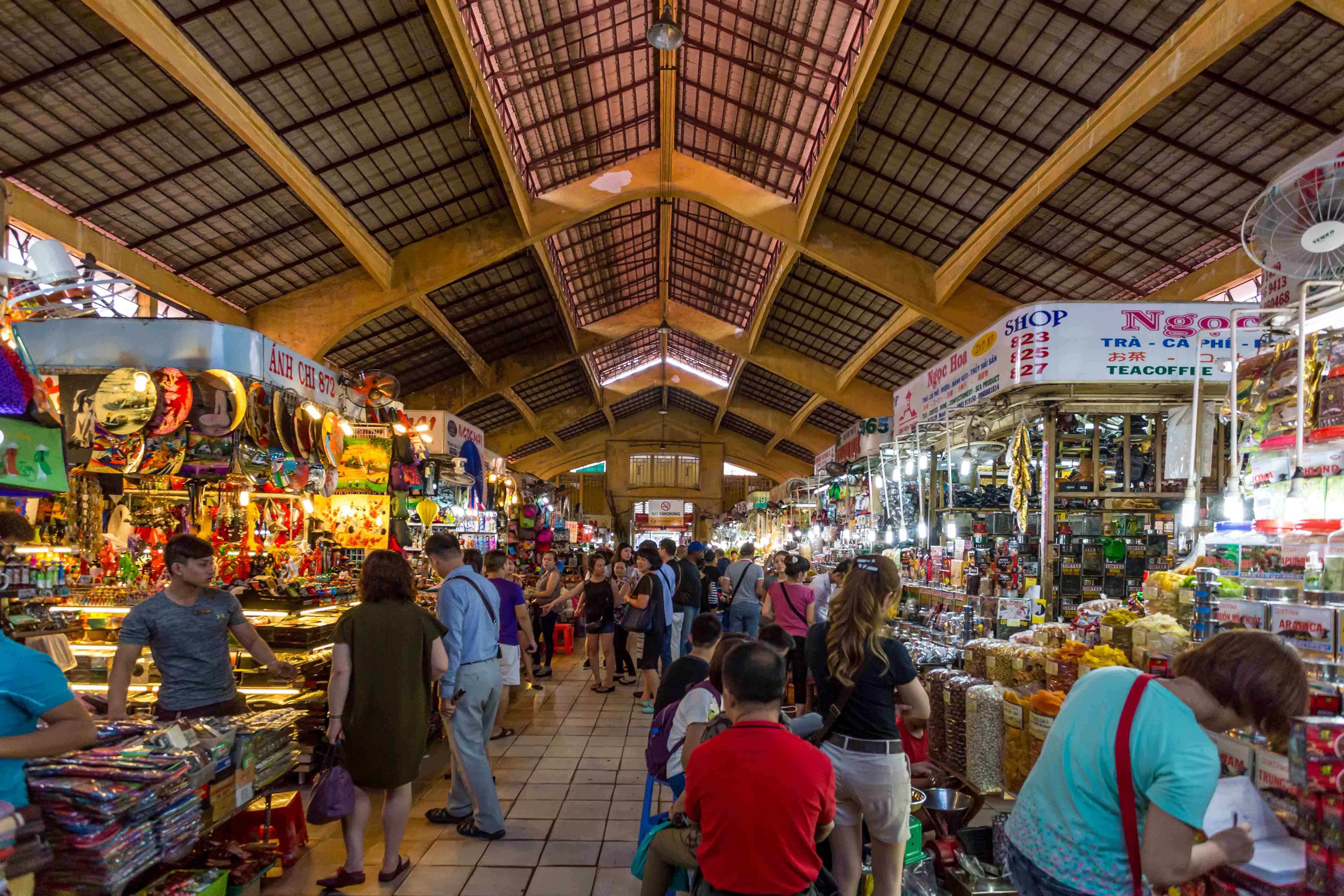
Food is a fast track to understanding place, and markets are the classroom. Visit early, when vendors arrange seasonal produce and share stories about regional flavors. Seek family-run eateries, daily specials, and street food with brisk turnover and clean, well-organized stations. Observe how locals order, whether seats are shared, and how payment is handled. Learn a few food vocabulary essentials and phrases for preferences or dietary needs, and ask for recommendations on dishes that showcase local ingredients. Shop from artisans and cooperatives when possible, paying a fair price that values labor and tradition. In places where bargaining is normal, stay friendly and playful, never adversarial. Bring a small tote to reduce packaging, and consider reusable utensils if single-use items are common. By eating where residents eat and buying what residents buy, you support neighborhood economies and gain insight into culinary traditions, regional seasons, and the social rituals that bring people together.
Travel and Stay Like Residents
Moving through a destination the way locals do changes what you see and whom you meet. Use public transport to learn the city's logic, reading posted signs, asking staff for guidance, and watching where regular commuters get on and off. Walk and cycle when safe, following traffic norms and crossing where locals cross. Choose homestays, guesthouses, or small inns where hosts offer context about neighborhood etiquette, quiet hours, and nearby favorites. Select areas anchored by markets, parks, and transit rather than only tourist sights, and plan days around a few meaningful stops instead of a checklist. Greet neighbors, use building entrances respectfully, and sort trash according to local rules. Keep valuables discreet, know basic emergency contacts, and save the address of your stay in the local language. This resident-first approach slows the journey, deepens orientation, and makes you part of the everyday fabric rather than a spectator on the margins.
Participate and Reflect
Participation turns observation into belonging. Seek workshops in cooking, crafts, dance, or music to learn by doing and to support local instructors. Attend neighborhood festivals or sports matches and follow the crowd's etiquette—when to cheer, when to listen, and how to join respectfully. If you volunteer, choose skill-appropriate, locally led efforts and follow a do-no-harm mindset, favoring short activities like cleanups over roles that require sustained training. Practice photography etiquette: ask permission before photographing people, be mindful around sacred spaces, and put the camera away to be fully present. Share your experiences with reciprocity, crediting the people who helped you and avoiding pinpointing fragile places that could be harmed by overtourism. Keep a travel journal to note phrases learned, values observed, and habits worth bringing home. Express gratitude through small purchases, respectful reviews, or thank-you messages. By participating, giving back, and reflecting, you turn travel into a lasting exchange, not just a visit.