Choosing the Right Oil and Lubrication for Your Engine
Learn how to choose the right engine oil and lubricants, decode viscosity grades, match specs to your vehicle, and extend engine life with proper service.
The Role of Oil in Engines
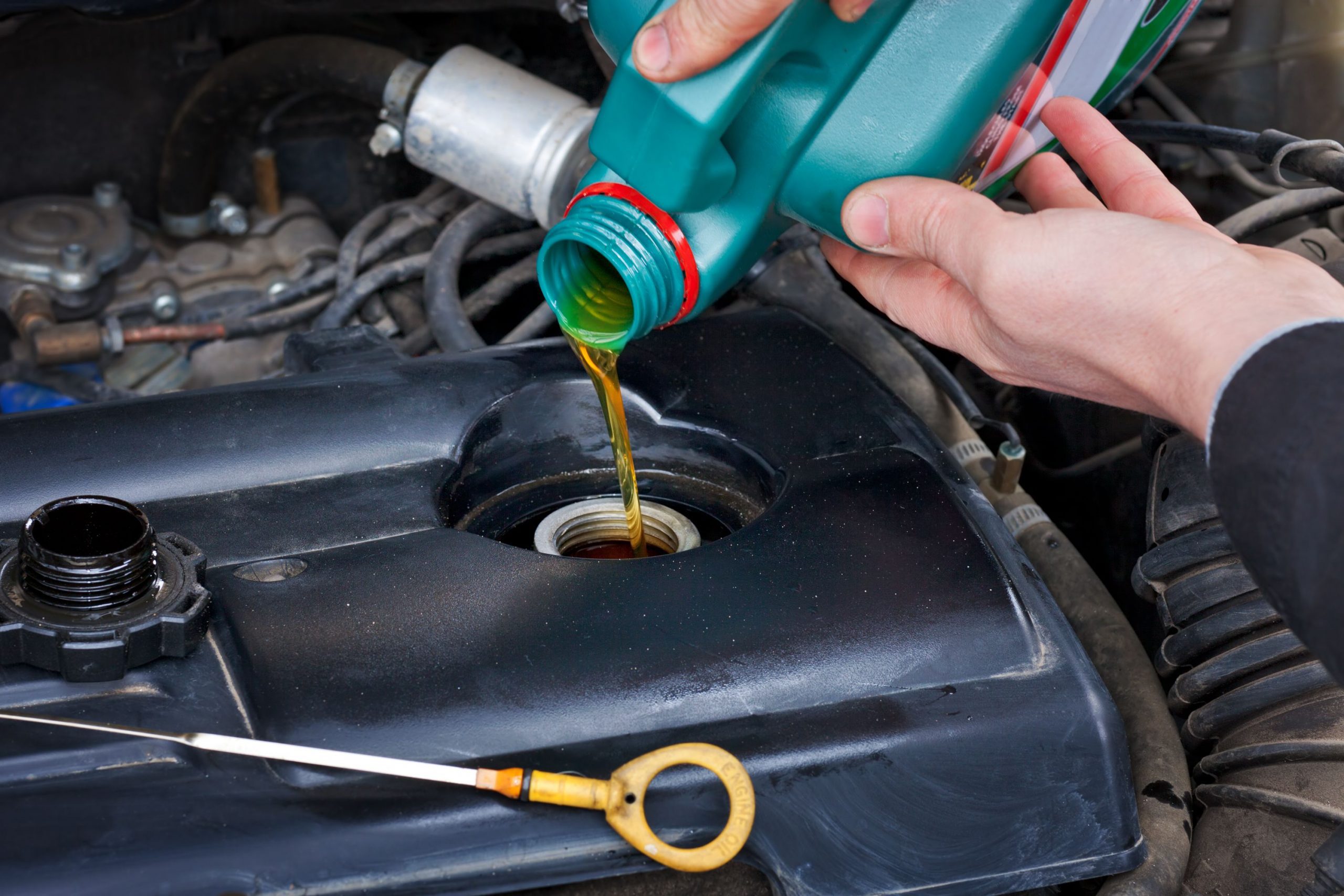
In the world of motors, engine oil is more than a slippery fluid; it is a multi-tasking guardian. A proper lubrication film reduces friction, minimizing wear between moving parts like bearings, cam lobes, and piston skirts. It also helps transfer heat away from hot zones, supports sealing between piston rings and cylinder walls, suspends contaminants for the filter to capture, and protects against corrosion. Under ideal conditions, a hydrodynamic film keeps metal surfaces apart; during startup or extreme loads, boundary lubrication relies on chemistry from additives to prevent scuffing. Oil must maintain adequate film strength while also flowing quickly to critical components. It needs to resist oxidation, prevent varnish and sludge, and remain stable across a wide temperature range. The right choice balances viscosity, base oil quality, and additive package to match your engine clearances, oil pump design, and driving style. Choosing wisely ensures smoother operation, quieter running, and long-term reliability for your engine.
Viscosity and Ratings Explained
Viscosity describes how thick or thin an oil is and how it flows under different conditions. Multigrade oils, identified by SAE ratings like 5W-30 or 0W-20, deliver cold-start flow (the number before the W) and hot operating protection (the number after). Lower winter numbers improve cranking and reduce wear at start-up, while higher hot ratings can provide greater film strength at operating temperature. However, thicker is not inherently better; too much viscosity can reduce flow, impede variable valve timing actuators, and increase pumping losses. Stability matters as well: viscosity index improvers help maintain thickness as temperatures rise, but poor-quality polymers can shear under stress. Look for oils with robust HTHS characteristics for high-load protection and stable performance over service intervals. Matching viscosity to manufacturer recommendations ensures optimal clearances, proper oil pressure, and efficient lubrication. When conditions change—extreme heat, heavy towing, or frequent short trips—reassessing viscosity within approved ranges can safeguard engine longevity.
Conventional, Synthetic, and Blends
Oil types differ primarily in base stock quality and consistency. Conventional oils, refined from mineral sources, can work well for light-duty use with routine changes. Synthetic oils, engineered for uniform molecular structure, offer superior thermal stability, lower volatility, cleaner operation, and outstanding cold-flow characteristics. They resist oxidation and deposits under turbocharged heat, maintain viscosity across a wide range, and often support extended service intervals when paired with appropriate monitoring. Synthetic blends combine aspects of both, providing a cost-effective step up in performance. For engines that see high loads, frequent stop-and-go traffic, tight clearances, or advanced timing systems, synthetics often deliver measurable benefits in wear control and efficiency. Older engines with worn seals can also run on synthetics; leaks usually stem from preexisting seal condition rather than the oil type. In any case, confirm the required specifications and viscosity first, then choose the base oil family that best aligns with your environment, driving pattern, and maintenance goals.
Additives That Protect
Beyond base oils, the additive package determines much of an oil's protective power. Detergents and dispersants keep contaminants and soot suspended to prevent sludge. Anti-wear agents such as ZDDP create sacrificial films that protect cam lobes and lifters under boundary conditions. Antioxidants slow oil degradation at high temperature, while friction modifiers reduce energy losses for better efficiency. Viscosity index improvers stabilize thickness across temperature swings, and pour point depressants enhance low-temperature pumpability. Anti-foam agents limit aeration so oil pressure stays stable at high RPM. Some modern oils control ash content to protect emissions systems, while specialized chemistries mitigate LSPI in small turbocharged gasoline direct injection engines. The right chemistry is a balancing act: too much of one component can compromise another property. That is why meeting the correct industry and manufacturer specifications matters; it ensures the formula addresses your engine's metallurgy, clearances, and operating stresses without trade-offs that could shorten component life.
Match Oil to Engine and Use
Different engines and duty cycles put distinct demands on oil. Gasoline and diesel engines require different additive balances; diesel oils emphasize soot control and TBN for acid neutralization. Turbocharged engines generate intense heat and benefit from strong deposit control and thermal stability. Motorcycles with wet clutches often need oils designed for shared engine and transmission sumps, with friction characteristics that prevent clutch slip. Small utility engines may lack full-flow filters and rely on more frequent changes. Consider environment and driving style: hot climates, heavy towing, dusty off-road conditions, or frequent short trips can all qualify as severe service. Cold regions favor lower winter viscosity for faster flow at startup. Marine and high-humidity settings demand robust corrosion resistance. When in doubt, follow the engine maker's approved specs and adjust within the recommended viscosity range to reflect real-world use. The closer you align oil selection with your engine's design and workload, the better your protection and performance.
Intervals, Monitoring, and Top-Ups
Oil condition depends on fuel quality, temperature, driving patterns, and contamination, so service intervals are not one-size-fits-all. Many vehicles use an oil life monitor that estimates remaining life based on operating conditions; severe service reduces interval length. For precision, used oil analysis can track wear metals, fuel dilution, viscosity shift, and additive depletion, guiding extended or shortened intervals safely. Between changes, check levels on a level surface after a brief rest; top up promptly if below the safe mark. Dark color alone does not condemn oil; detergent action naturally darkens oil as it suspends contaminants. Whenever possible, top up with the same viscosity and specification; mixing different oils in an emergency is generally acceptable short-term, but plan a full change soon. Choose a quality oil filter with good efficiency and capacity to complement the lubricant. Address consumption or leaks early—issues like PCV malfunction, worn seals, or high turbo temperatures can accelerate oil loss.
Smart Habits and Common Myths
Good habits magnify the benefits of the right oil. Avoid extended idling; gentle driving shortly after startup warms components faster than sitting still, reducing fuel dilution and wear. Do not assume thicker oil is always safer; excessive viscosity can starve tight clearances, hinder VVT actuation, and waste fuel. The idea that synthetic oil causes leaks is a myth—preexisting seal wear is the true culprit. Brand-switching does not confuse your engine; what matters is meeting the correct spec and viscosity. Use the proper torque on the drain plug and a fresh gasket or crush washer to prevent drips. Keep fill funnels clean, store oil sealed and upright, and wipe dust from the cap area before opening to avoid contamination. Dispose of used oil and filters responsibly. Maintain simple records of changes, top-ups, and driving conditions. When you combine correct viscosity, appropriate additives, and sound maintenance, your engine enjoys lasting protection, reliable performance, and peace of mind.