Choosing the Right Motor for Your Project
Learn how to choose the right motor by balancing torque, speed, power, voltage, and duty cycle, with tips on sizing, control, and budget constraints.
Understanding Your Requirements
Before choosing a motor, clarify what the project must accomplish and translate that into measurable targets. Start with the mechanical needs: required torque, target speed, and total load including friction, gravity, and dynamic effects such as acceleration and shock. Define the duty cycle to indicate how long the motor operates at various loads and how often it rests. Note the available power supply in terms of voltage, current, and allowed ripple, as drivers and controllers must match these limits. Consider size constraints, weight, and mounting geometry, as these can rule out otherwise suitable models. Assess the operating environment including temperature, dust, moisture, and vibration, since these drive enclosure and cooling choices. Finally, articulate expectations for noise, efficiency, lifetime, and budget. Converting these requirements into a simple specification sheet helps you evaluate candidates consistently and prevents scope creep. The clearer your requirements, the more confidently you can balance performance, reliability, and cost when selecting among the many available motors.
Comparing Motor Types
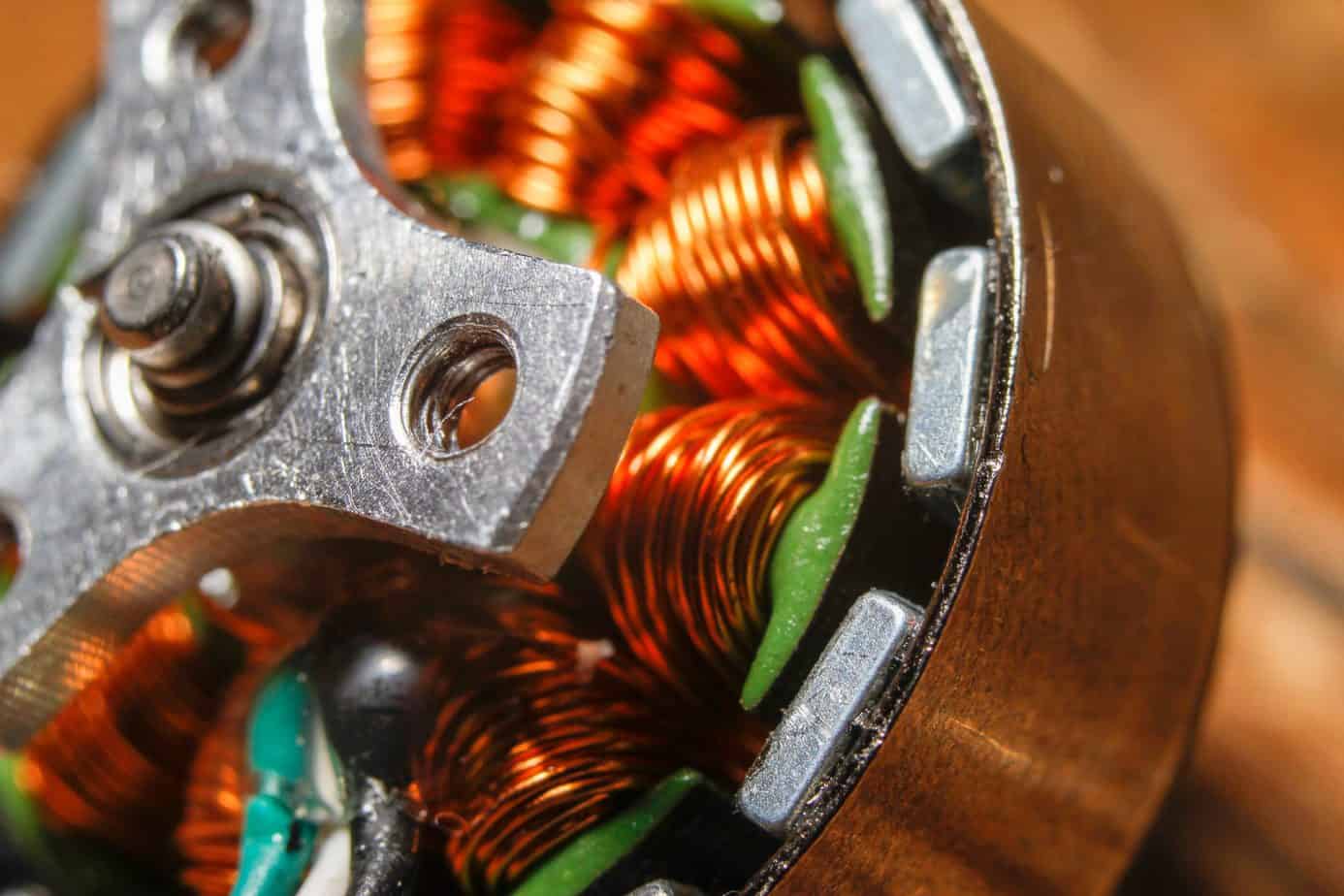
Each motor family brings strengths and tradeoffs, so align capabilities with your specification. Brushed DC motors are simple, inexpensive, and easy to control with basic voltage or PWM, but they require brush maintenance and can introduce electrical noise. Brushless DC offers higher efficiency, longer life, and better power density, requiring an electronic controller but rewarding you with smoother operation. Stepper motors excel at open-loop position control and precise incremental moves, though they can lose steps under high load and may run less efficiently at speed. Servo solutions pair a motor with feedback and a controller, providing accurate torque, speed, and position control; complexity and cost vary from hobby servos to industrial servo drives. AC induction motors are robust for continuous operation and larger loads, often driven by variable frequency drives for speed control. Synchronous options, including permanent magnet variants, deliver strong torque at lower speeds with excellent control. Map these characteristics to your duty cycle, precision, and budget to shortlist the right class.
Sizing and Calculations
Accurate sizing prevents overheating, stalling, and premature wear. Begin with the torque-speed curve for candidate motors and overlay your operating points. Calculate required continuous torque for steady operation and peak torque for acceleration and transient loads, then apply a sensible safety factor. Evaluate inertia of the load and coupling elements, and consider inertia matching to avoid overshoot or sluggish response. If needed, select a gear ratio to trade speed for torque and reduce motor torque requirements, accounting for efficiency losses. Verify stall torque and ensure your starting and worst-case conditions do not demand sustained operation near stall. Consider mechanical limits such as maximum shaft load and allowable radial or axial forces. Use the duty cycle to determine thermal loading, ensuring that average losses remain within continuous rating, and that peak events stay within intermittent rating. Document assumptions, margins, and calculations so you can revisit choices if testing reveals unexpected friction, misalignment, or dynamic spikes.
Control, Feedback, and Drivers
The motor rarely works alone; your choice of driver, controller, and feedback shapes performance and reliability. For brushed DC, ensure the driver supports adequate current limiting, PWM frequency compatible with noise goals, and protection against back-EMF. Brushless DC requires an ESC or dedicated controller capable of commutation using Hall sensors or sensorless algorithms; confirm startup behavior under load. Stepper systems need drivers with adjustable current and microstepping to reduce resonance and improve smoothness. Servo setups integrate a motor, encoder or resolver, and a closed-loop controller; verify loop bandwidth, tuning options, and fault handling. Pay attention to interface requirements like logic levels, communication protocols, and timing constraints with your microcontroller or PLC. Implement protections such as overcurrent, undervoltage, thermal shutdown, and short-circuit detection. Thoughtful integration of control and feedback improves precision, efficiency, and safety, and often allows a smaller motor to meet demanding motion profiles.
Power and Thermal Management
A well-sized power system keeps the motor healthy and your project dependable. Estimate continuous current from steady-state loads and include stall current or inrush for transients when selecting power supplies, batteries, and fuses. Use appropriately sized wiring and connectors to minimize voltage drop and heat, and consider soft-start or current ramping to reduce stress. Quantify copper losses and controller switching losses to anticipate temperature rise. Provide cooling through airflow, heat sinks, or conduction to the chassis, accounting for ambient temperature and enclosure constraints. Monitor thermal limits using sensors or controller data, and design fail-safes that gracefully reduce load before shutdown. If the environment adds dust or moisture, use sealed housings and ensure that restricted airflow is compensated by better conduction paths. Good power and thermal practices improve efficiency, reduce noise, and extend lifetime, letting the motor operate comfortably within its ratings across the intended duty cycle.
Prototyping and Decision Workflow
Turn analysis into confidence by prototyping and iterating. Build a simple test rig to validate torque, speed, and temperature under realistic loads, logging data to verify assumptions and refine your safety factor. Evaluate vibration, noise, and mechanical fit, and check how the motor behaves at startup, under rapid reversals, and during faults. Test drivers and controllers for EMI, communication integrity, and error handling, and confirm that firmware protections activate as expected. Factor in maintenance needs such as brush replacement or lubrication, and assess availability, lead times, and replacement options to avoid supply surprises. Compare total cost of ownership including drivers, sensors, gearing, power, and cooling, not just the motor price. Finally, document a clear selection rationale and create a shortlist with measured results. This disciplined workflow yields the right motor for your project and a design that remains robust, scalable, and easier to support over its lifetime.